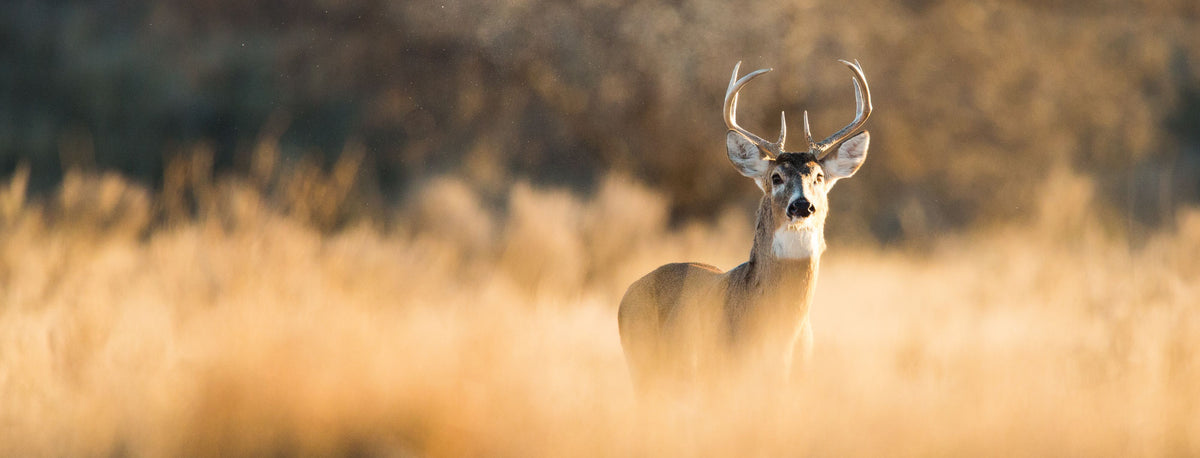
Fall means deer season across much of Canada, but knowing when to head out is only part of the planning.
Deer hunting seasons vary considerably across the country, with different dates for white-tailed and mule deer, individual Wildlife Management Units (WMUs) or zones, archery and firearm seasons, and antlered or antlerless harvests. Some seasons begin as early as September, while others extend into December.
Whether you're planning a hunt close to home or exploring somewhere new, here's a look at the 2026 deer hunting season across Canada, including season highlights, areas to explore and what to check before heading into the field.
Jump to Deer Hunting Seasons by Province:
British Columbia | Alberta | Saskatchewan | Manitoba | Ontario | Quebec | New Brunswick | Nova Scotia
Important: This guide is intended for trip planning only. Hunting seasons, permitted equipment, licences, bag limits and other regulations vary by location and can change. Always check the current provincial hunting regulations for the exact area you plan to hunt.
British Columbia Deer Hunting Season
British Columbia offers both mule deer and white-tailed deer hunting, with opportunities stretching from southern BC into the Cariboo and northern parts of the province. Seasons vary substantially between Management Units and species.
Where to Go
Kootenay Region
Southeastern BC offers opportunities for both white-tailed and mule deer across a landscape of mountains, valleys, forest and agricultural land. The Kootenay Region includes MUs 4-1 to 4-9 and 4-14 to 4-40.
Cariboo Region
The Cariboo combines forest, ranchland, lakes and an extensive backroad network. For 2026, white-tailed deer buck seasons in many Cariboo MUs run September 10 to November 30, with additional archery and antlerless opportunities depending on the unit.
Omineca & Peace
Northern BC provides another large deer-hunting region. In many Omineca-Peace units, 2026 white-tailed buck seasons run September 10 to December 10, while other units close November 30.
When to Go
September brings early archery and buck opportunities in many parts of BC, while October and November provide some of the broadest deer hunting opportunities. Exact dates differ by Management Unit and deer species.
Check the BC Hunting & Trapping Regulations

Alberta Deer Hunting Season
Alberta offers both white-tailed and mule deer hunting, with environments ranging from southern prairie and foothills to the Rocky Mountains and northern boreal forest.
The province is divided into Wildlife Management Units, and hunters need to check the season and licence requirements for their specific WMU.
Where to Go
Foothills
Alberta's 300-series WMUs cover a large portion of the foothills. For white-tailed deer, many units have archery seasons beginning in late August or September, followed by general seasons extending to November 30. For example, WMUs 310, 312, 314, 316, 318, 320, 322, 324, 332, 334, 336, 337, 338 and 348 have a 2026 general white-tailed season from November 1 to November 30. 300-series Regulations
Rocky Mountain Region
The 400-series WMUs provide mountain and foothill hunting opportunities. Dates vary considerably by unit and whether the hunt is for antlered or antlerless deer. 400-series Regulations
Northern Alberta
The boreal 500-series WMUs offer extensive white-tailed deer opportunities. In many northern units, general seasons run through November 30, with some opening as early as September 1 or September 17. 500-series Regulations
When to Go
November is the key month to know for Alberta deer hunting. Many general white-tailed deer seasons run November 1-30, although earlier opportunities exist in numerous WMUs.
Read the Alberta Hunting Regulations
Saskatchewan Deer Hunting Season
Saskatchewan is well known for white-tailed and mule deer hunting, with hunting landscapes ranging from southern grasslands and agricultural country to parkland and northern forest.
There are some important changes for 2026-27. White-tailed deer populations remain low across much of the Grassland region, and Saskatchewan has shortened seasons and shifted to buck-only opportunities in Grassland WMZs 1-16 and 18-29. Mule deer opportunities have also been reduced in response to population declines. Government of Saskatchewan
Where to Go
Rather than treating southern Saskatchewan as the automatic choice, hunters should pay particularly close attention to the Parkland, Forest Fringe and northern portions of the province when researching their 2026 options.
The province's Wildlife Management Zone map is the starting point for identifying the zone you're interested in and checking the applicable season.
When to Go
Season dates vary by species, zone, licence and equipment. Because Saskatchewan has made significant changes for 2026, check the current Hunters Guide rather than relying on dates from previous seasons.
Check the 2026-27 Saskatchewan Hunters Guide

Manitoba Deer Hunting Season
White-tailed deer are the primary deer species hunted in Manitoba, with opportunities extending across agricultural areas, parkland and forest.
Where to Go
Southern and Central Manitoba
Agricultural areas mixed with woodlots, river corridors and forest provide a very different hunting environment from the province's more heavily forested eastern and northern regions.
Eastern Manitoba
Areas around southeastern and eastern Manitoba offer extensive forest and backcountry terrain. Season dates vary by Deer Hunting Area, so knowing exactly where you'll be hunting matters before planning access.
When to Go
For residents, many Manitoba Deer Hunting Areas have a 2026 all-equipment season from November 9 to November 29. Some areas have longer or additional seasons. Areas 26 and 36, for example, have an all-equipment season extending from November 9 to December 13. Archery opportunities begin much earlier, with many opening August 31.
Province of Manitoba Hunting Regulations
Check Manitoba Hunting Information
Ontario Deer Hunting Season
Ontario has an enormous variety of white-tailed deer hunting environments, from agricultural areas in the south to the Canadian Shield and forests of northern Ontario.
The province manages deer seasons by Wildlife Management Unit, and dates can vary substantially between neighbouring areas.
Where to Go
Eastern Ontario
A mixture of farmland, forest and Canadian Shield terrain provides extensive deer habitat and numerous hunting areas.
Central Ontario and Cottage Country
The transition between southern forests and Canadian Shield country creates a very different hunting environment, with lakes, wetlands, forest and extensive secondary-road networks.
Northern Ontario
Hunters looking for larger and more remote areas can explore WMUs across northeastern and northwestern Ontario, although seasons and non-resident opportunities vary.
When to Go
For a large number of Ontario WMUs, the 2026 rifle, shotgun, muzzleloader, and bow season runs November 2 to November 15. Other units have longer seasons beginning in September or October, while some have shorter November windows. Ontario also has separate bow-only seasons in many WMUs.
That makes early November particularly important for Ontario deer hunters, but your WMU determines the actual dates.
Check the 2026 Ontario Hunting Regulations

BRMB Maps app showing Ontario Hunting Areas (WMU)
Quebec Deer Hunting Season
Quebec offers extensive white-tailed deer hunting, particularly across southern and central portions of the province.
Its regulations are organized by hunting zone, with different seasons depending on weapon, location and whether the deer is antlered or antlerless.
Where to Go
Eastern Townships and Southern Quebec
Southern hunting zones offer a mix of farmland, hardwood forest and rolling terrain.
Outaouais
Western Quebec combines extensive forest, lakes and rural areas and provides numerous white-tailed deer hunting opportunities.
Laurentians and Central Quebec
Forested landscapes and extensive secondary-road networks make these areas another option to research for fall deer hunting.
When to Go
In many Quebec zones, the 2026 bow and crossbow season runs October 3-16, while the main firearms season for antlered white-tailed deer runs November 7-22.
Those dates do not apply everywhere. Quebec has numerous zone-specific exceptions, additional short seasons and different antler restrictions.
Check Quebec's 2026 White-Tailed Deer Seasons
New Brunswick Deer Hunting Season
New Brunswick offers white-tailed deer hunting across much of the province's mixture of Acadian forest, agricultural land and river valleys.
Where to Go
The first step is checking the Wildlife Management Zone rather than simply choosing a region. WMZs 4, 5 and 9 are closed to deer hunting, while other zones have open seasons subject to current regulations.
Grand Manan also has a special 2026 archery opportunity. Its archery-only deer season runs October 5-25, with special provisions for hunters successful in the WMZ 27 antlerless deer draw.
When to Go
October and November form the core of New Brunswick's fall deer season, but check the current Hunt & Trap Book for the exact dates, zone and licence that apply to your hunt.
Check New Brunswick Big Game Regulations
Nova Scotia Deer Hunting Season
Nova Scotia's forests, agricultural areas and extensive rural road network provide white-tailed deer hunting opportunities across much of the province.
When to Go
Nova Scotia defines its general deer season as running from the last Friday in October through the second Saturday in December. For 2026, that puts the general season across late October, November and into December.
Hunters should still check current regulations for applicable stamps, antlerless opportunities, weapon restrictions and local closures.
Check Nova Scotia Hunting Information
What About PEI, Newfoundland & Labrador and the Territories?
Prince Edward Island does not have an established deer hunting season, while Newfoundland & Labrador's native big-game hunting opportunities centre on species such as moose, caribou and black bear rather than deer.
Deer hunting opportunities are also much more limited or absent across the northern territories compared with the major deer-hunting provinces above.
For hunters planning a dedicated deer trip, the primary opportunities are therefore concentrated from British Columbia through Nova Scotia.

When Is the Best Time to Hunt Deer in Canada?
There is no single Canada-wide deer season, but October and November are the months with the greatest overlap of deer hunting opportunities across the country.
| Period | What to Expect |
|---|---|
| September | Early archery seasons and some general seasons, particularly in western Canada |
| October | Expanding archery, muzzleloader and general opportunities across several provinces |
| Early November | Major general/firearm seasons open across many parts of Canada |
| Mid to Late November | Continued general seasons in many western and central regions |
| December | Later opportunities remain in selected zones and Management Units |
This is only a planning overview. Always confirm the season for your species + WMU/WMZ + weapon + licence before choosing dates.
Know Your Hunting Area Before You Go
The date is only half the equation. Before heading into the field, identify the WMU, WMZ or hunting zone where you plan to hunt and check:
- Open season dates and permitted equipment
- Antlered and antlerless restrictions
- Licence and tag requirements
- Bag limits
- Crown/public and private land boundaries where applicable
- Motorized access restrictions
- Road and trail access
- Local closures and protected areas
- Chronic wasting disease requirements where applicable
In Alberta, for example, the province explicitly notes that hunters are responsible for knowing which WMU they're in and the rules that apply there. Hunters are also responsible for obtaining appropriate permission on Crown or private land where required. Alberta.ca

Plan Your Hunt with Backroad Maps
Once you've chosen a hunting area, good planning becomes less about finding a dot on a map and more about understanding how you're actually going to get there.
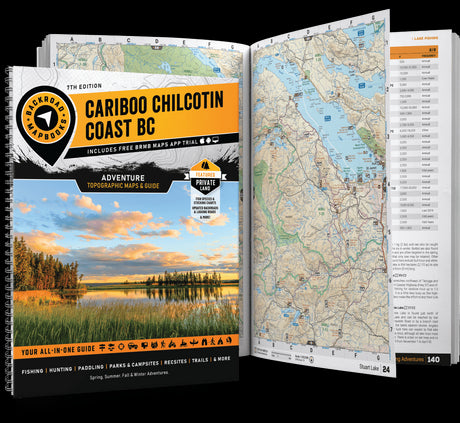
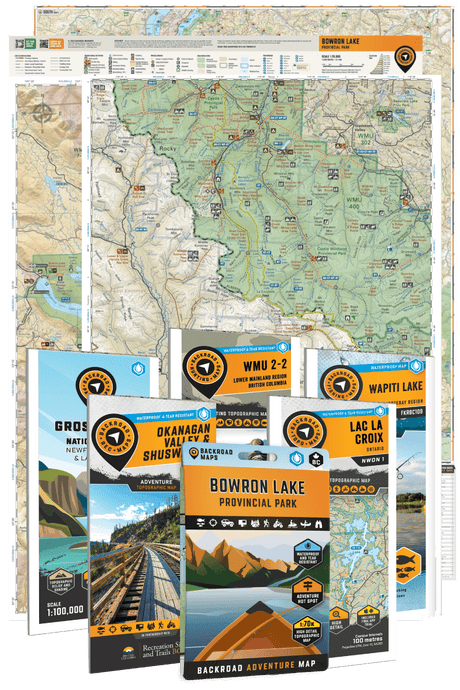
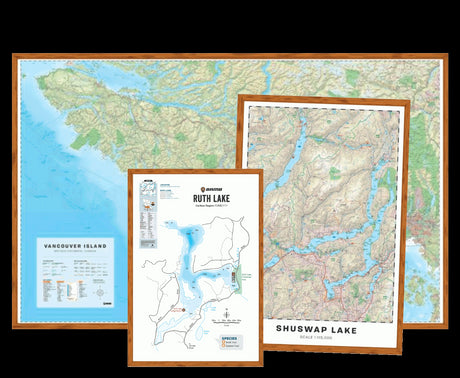
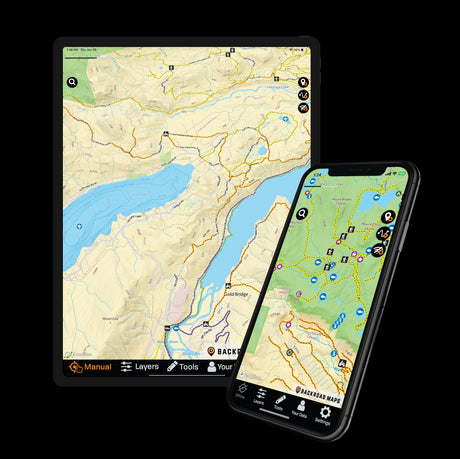
Backroad Maps Hunting Maps & Bundles clearly identify hunting areas alongside the surrounding landscape, including backroads and resource roads, trails and access routes, Crown/public land information where available, recreation sites and detailed topographic mapping.
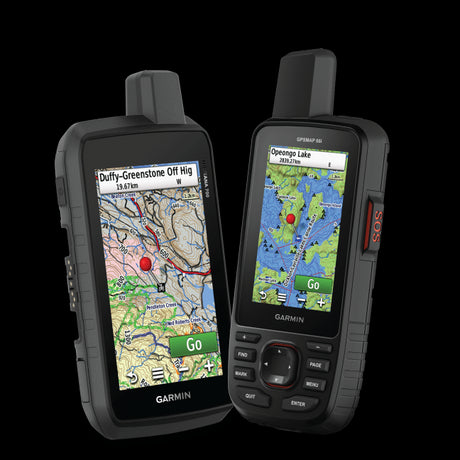
Use the Backroad Maps Web Map to research an area and plan from a larger screen, then save the information you need to the app for use in the field. For hunters using compatible Garmin GPS devices, Backroad GPS Maps provide another dedicated offline option.