Summary: Walleye fishing in Saskatchewan is some of the best in Canada, and it is more accessible than most anglers think. You need an angling licence from age 16, the general limit is four walleye with only one over 55 cm, and the province holds more than 100,000 lakes. Here are the best waters, the current rules, and the tactics that put fish in the boat.
Saskatchewan gets written off as flat and empty. Anglers who believe that are missing the best walleye fishing in the country.
Backroad Maps has charted this province for more than 30 years, and the numbers tell the story: more than 100,000 lakes, millions of fish stocked every year, most of them native walleye (Government of Saskatchewan; Destination Canada). This is where the ice-fishing world record walleye came out of the water.
The province's best-known walleye, an 18.30 lb fish measuring 36.5 inches, came through the ice on Tobin Lake in January 2005, and it still stands as one of the largest walleye ever recorded. (angler record databases)
Here is how to plan a trip that actually delivers.
Key takeaways
- The general walleye limit is four fish, with only one allowed over 55 cm. Many individual lakes have lower conservation limits, so check each water.
- You need an angling licence starting at age 16. A resident annual licence is $42; a new Fisheries Habitat Certificate adds $21.
- Season opens by zone: Southern May 5, Central May 15, Northern May 25 for 2026. Always confirm in the current Anglers' Guide.
- Tobin Lake, Last Mountain Lake, and Lake Diefenbaker are the headline waters, but the northern lakes hold the biggest fish.
- Walleye relate hard to structure and breaklines. A map that shows lake depth and drop-offs is the difference between guessing and catching.
Why Saskatchewan punches above its weight
Walleye is Canada's most sought-after freshwater sport fish, and Saskatchewan is built for it. The province sits on a staggering amount of water, more than 100,000 lakes, and the fisheries program stocks millions of fish a year, the majority native species like walleye (Government of Saskatchewan).
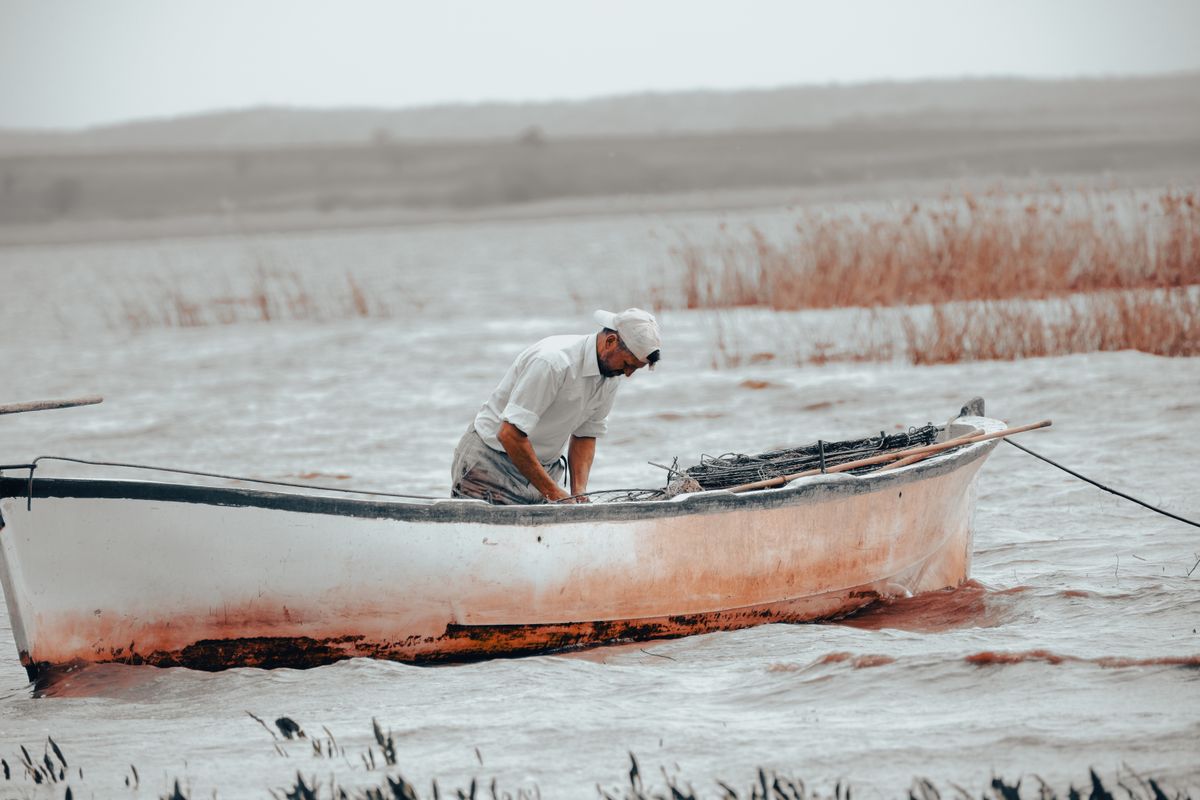
As Backroad Maps puts it in its own guide to the province, "Many anglers overlook Saskatchewan, assuming it's nothing but prairie, but they're missing out on some truly exceptional fishing." The south holds productive prairie reservoirs and lakes you can drive to in an afternoon. The north holds vast, lightly pressured lakes where trophy walleye are a realistic goal, not a fantasy.
The trick is knowing where the fish hold and what the rules are on the specific water you pick, because both change as you move across the province.
The rules: licence, limits, and season
Licence. You need a Saskatchewan angling licence starting at age 16. Anglers under 16 fish without one, though all catch limits still apply to them. Saskatchewan residents 65 and older also fish without a licence but must carry proof of age and residency (Government of Saskatchewan).
The fees for the 2026 season, from the same source:
- Saskatchewan resident (16 to 64): $42 annual, $21 three-day, $15 one-day.
- Canadian resident from outside Saskatchewan: $86 annual.
- Non-resident from outside Canada: $115 annual.
New for 2026, every angler aged 16 to 64 also needs a Fisheries Habitat Certificate, $21 for the annual or $5.25 short-term, on top of the licence (Global News).
Walleye limit. The general limit is four walleye, sauger, or saugeye combined, and only one of those may exceed 55 cm (Government of Saskatchewan). That single "one over 55 cm" rule is what protects the big breeding females that make a lake great in the first place. Your possession limit is the same as your daily limit.
Here is the part people miss: that four-fish number is the general limit, but many individual lakes carry lower conservation limits, marked CR in the regulations. On those waters you might be held to two or three, or to catch-and-release only. You have to check the specific lake in the current Anglers' Guide before you keep anything.
Season. Open-water season starts by zone. For 2026 the Southern zone opens May 5, Central opens May 15, and Northern opens May 25 (Government of Saskatchewan). Dates shift year to year, so pull the current Saskatchewan Anglers' Guide before you plan around an opener.
One more rule to watch: Saskatchewan designates certain waters as barbless-hook only, meaning you pinch down or remove the barb. It is not province-wide, so confirm it for your lake in the Guide.
The best walleye waters
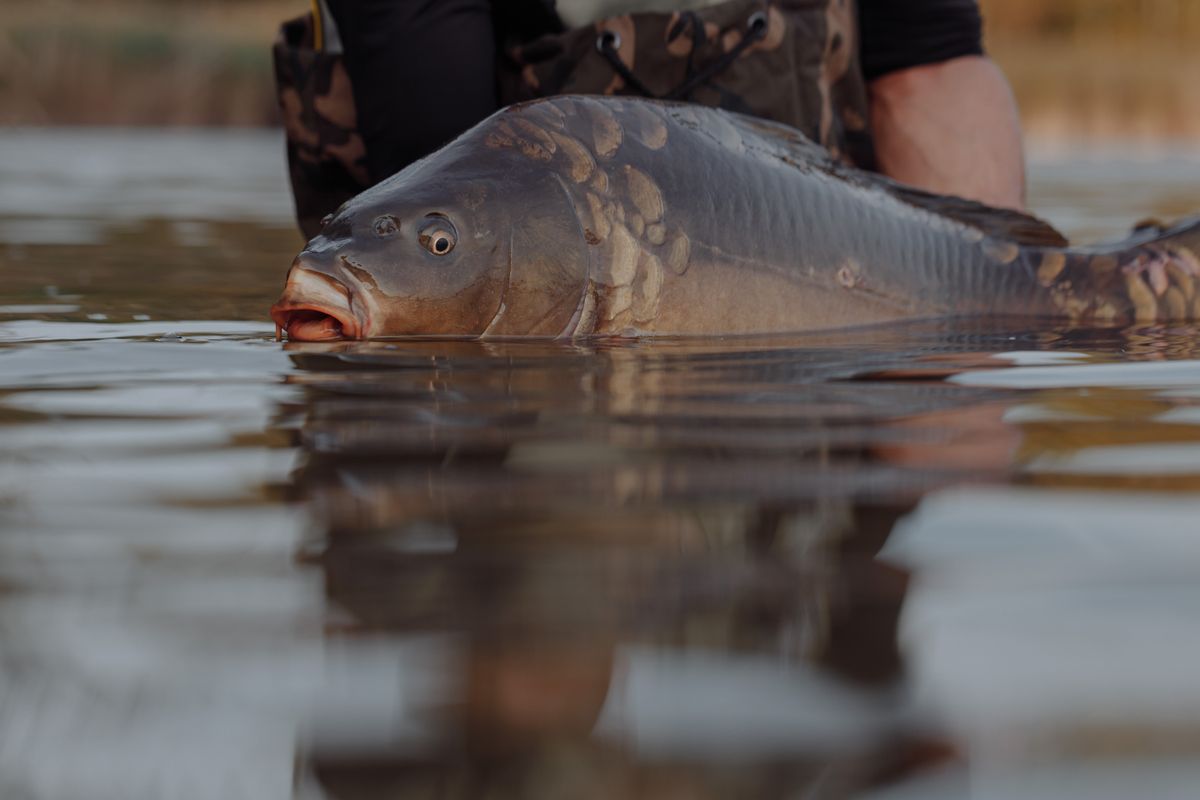
Tobin Lake, near Nipawin, is the most famous walleye water in the province and probably the country. This is where that 18.30 lb ice-fishing record came from, and it consistently gives up fish in the 28-inch-plus class. If your goal is a wall-hanger, start here.
Last Mountain Lake, north of Regina, is a top south-Saskatchewan walleye and pike fishery within easy reach of the city. Walleye here top 30 inches, and the lake fishes well from open water through the ice.
Lake Diefenbaker is the big prairie reservoir, a multi-species destination that holds walleye, pike, perch, burbot, and whitefish, plus the trophy rainbow trout it is famous for. Its size and structure make a depth map close to mandatory.
Then there is the north, where the fish get bigger and the crowds disappear. Candle Lake near Prince Albert is the accessible option, a solid walleye and pike lake you can drive to. Jan Lake, Reindeer Lake, and Wollaston Lake are the deeper cuts, remote fly-in and drive-to lodges where trophy walleye, pike, and lake trout share the same water. Cold Lake straddles the Alberta border, so watch which province's regulations apply to where you are fishing.
For a trophy benchmark: the Saskatchewan Wildlife Federation's Master Angler program recognizes a walleye at 71 cm, about 28 inches (SWF). That is the number to chase.
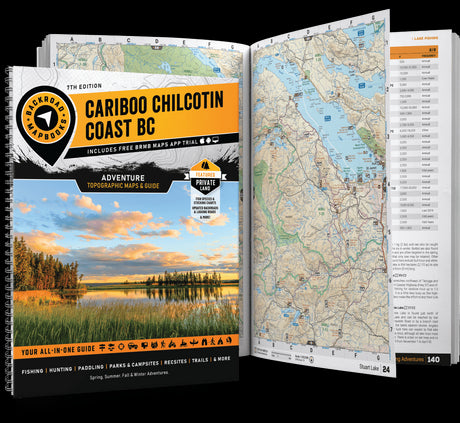
Scout access, boat launches, and the lakes themselves on BRMB's Saskatchewan layers. The current Saskatchewan Backroad Mapbook lists 395 fishing lakes and stocked-lake charts, which is the fastest way to build a shortlist for a region.
How to actually catch them
Walleye are structure fish. Find the edge and you find the fish.
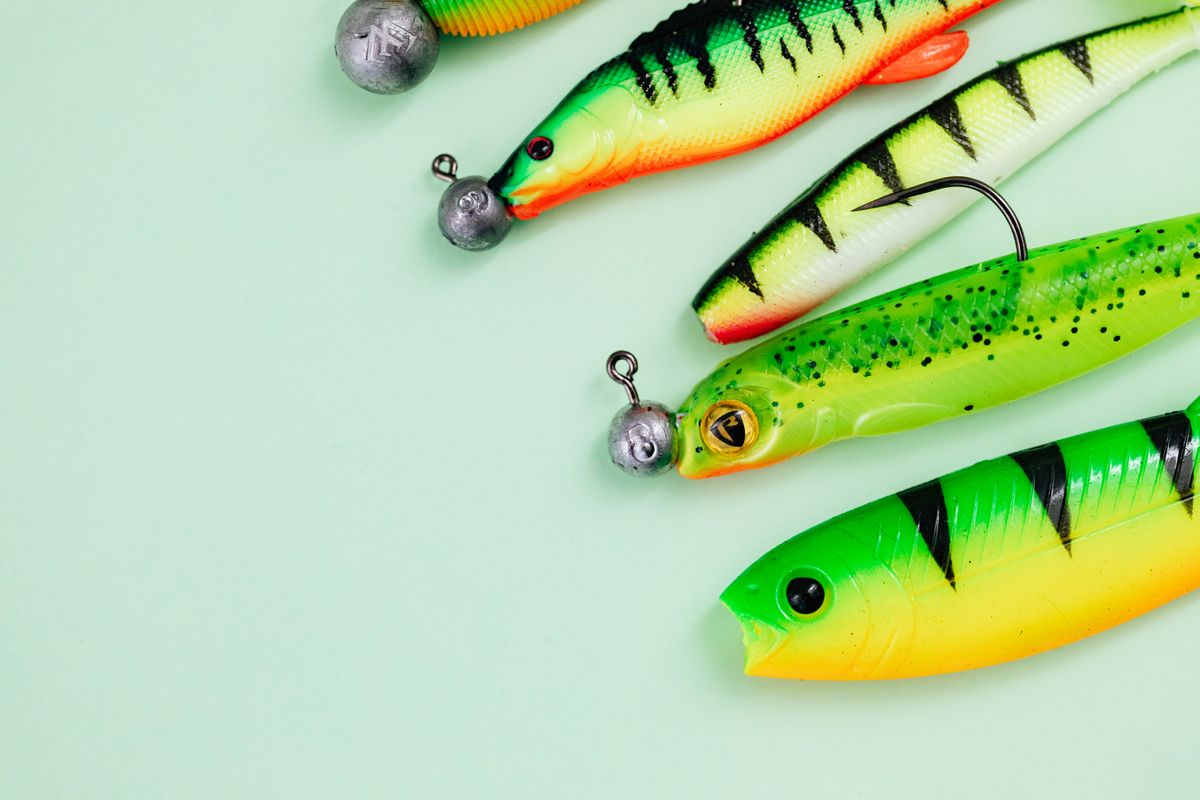
Jig first. A lead-head jig tipped with a minnow, a nightcrawler, or a soft plastic is the workhorse Saskatchewan walleye method. Work it vertically off structure or cast and drag it slowly across bottom. In spring, right after the spawn, fish it shallow near river mouths and warming bays.
Troll to find scattered fish. When walleye spread out on summer flats, a bottom-bouncer pulling a spinner-and-crawler harness covers water and tells you where they are holding. Diving crankbaits run parallel to a drop-off do the same job along deeper breaklines.
Fish the edges. Points, submerged humps and shoals, weed lines, and the first sharp depth break off a flat are where walleye stage. This is the single most important habit to build, and it is where a lake-depth map earns its keep.
Read the season and the wind. Fish shallow after ice-out and through the spawn, then follow the fish deeper as summer heat sets in. And chase the "walleye chop," the wind-blown shoreline where wind stacks baitfish and cuts the light. That is often the most productive water on the lake on a bright day.
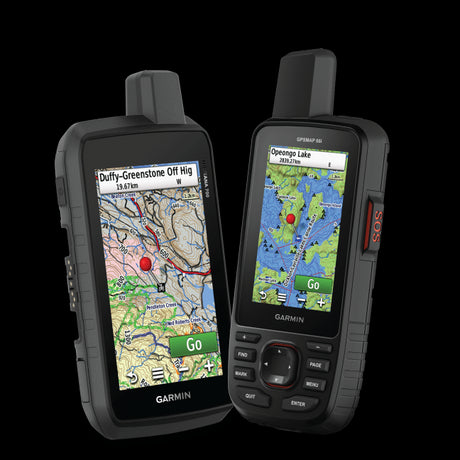
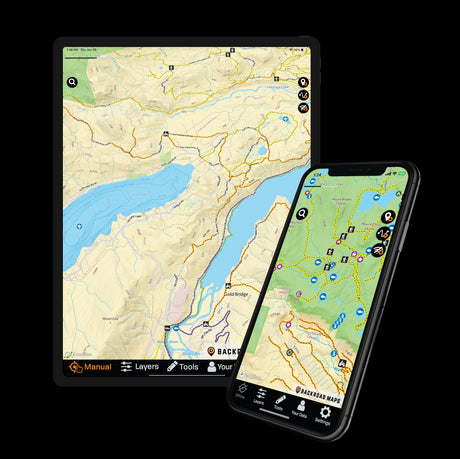
This is where the BRMB Maps app changes the game. It shows lake depth and bathymetry, "revealing drop-offs, deep holes, shoals, and underwater structures where fish like to hide," and carries thousands of marked fishing hotspots across the country (BRMB Maps fishing features). Instead of idling around reading a sonar cold, you show up already knowing where the structure is.
What to bring
Pack a rod suited to jigging with a sensitive tip, a range of jig heads from 1/8 to 3/8 oz, spinner harnesses, and a few diving cranks. Bring a landing net big enough for a 30-inch fish, a measuring board so you can respect the 55 cm rule, and pliers for barbless waters. And bring your licence and Habitat Certificate, because Saskatchewan conservation officers do check.
If you are keeping fish, handle releases fast. The province notes that "even with careful handling, up to 10 per cent of released fish die afterwards," so a quick photo and a clean release matters if you want these lakes to stay this good (Government of Saskatchewan).
Common mistakes to avoid
Assuming the four-fish limit applies everywhere. Many lakes have lower conservation limits. Check the Anglers' Guide for the specific water.
Skipping the Habitat Certificate. It is new for 2026 and separate from your licence. You need both.
Fishing blind. Idling around looking for structure wastes the best light. Know where the drop-offs and shoals are before you launch.
Ignoring the 55 cm rule. Only one walleye over 55 cm. Carry a measuring board and know the number.
Getting the season wrong. Openers vary by zone and year. Confirm the current dates before you book.
FAQ
Do I need a licence to fish walleye in Saskatchewan?
Yes, starting at age 16. Anglers under 16 and Saskatchewan residents 65 and older fish without a licence but must follow all limits. A resident annual licence is $42, and every angler 16 to 64 also needs a $21 Fisheries Habitat Certificate for 2026.
What is the walleye limit in Saskatchewan?
The general limit is four walleye, sauger, or saugeye combined, with only one over 55 cm. Many individual lakes have lower conservation limits, so check the current Anglers' Guide for the water you are fishing.
Where is the best walleye fishing in Saskatchewan?
Tobin Lake near Nipawin is the most famous trophy water and home of the province's record walleye. Last Mountain Lake and Lake Diefenbaker are top southern options, while northern lakes like Reindeer, Wollaston, and Jan Lake hold the biggest, least-pressured fish.
When does walleye season open in Saskatchewan?
Open-water season opens by zone. For 2026 the Southern zone opens May 5, Central May 15, and Northern May 25. Dates change year to year, so confirm in the current Saskatchewan Anglers' Guide.
What is the best way to catch walleye in Saskatchewan?
Start with a jig tipped with a minnow or crawler worked over structure, then troll bottom-bouncers or crankbaits along breaklines to locate scattered fish. Target points, humps, and depth breaks, and work wind-blown shorelines on bright days.
Wrap up
Saskatchewan is a walleye factory hiding in plain sight. Get your licence and Habitat Certificate, learn the limit for your specific lake, and pick your water by what you are after: an easy afternoon on Last Mountain, a trophy hunt on Tobin, or a remote northern lake where the fish have barely seen a lure.
Scout lakes, access, and boat launches on BRMB Maps before you go, then download the maps and lake-depth charts for offline use (a PRO feature) so you can find structure even where there is no signal. Start planning on the BRMB Maps Explore Canada hub.