Summary: Crown land camping in Manitoba is generally free and allowed for short-term recreation on unoccupied public land, but here is the honest part: Manitoba does not publish a clear day limit or a general camping permit the way Alberta and BC do. So the smart move is to camp low-impact, confirm the local rules, and know the difference between free Crown land and a provincial park. This guide covers all of it.
Manitoba is one of the easiest provinces in Canada to camp for free, and one of the most confusing to get straight answers about.
Backroad Maps has charted this province for more than 30 years. Here is the short version: most of Manitoba is Crown land, short-term recreational camping on unoccupied Crown land is generally allowed and free, and the province is stitched with lakes, boreal forest, and Canadian Shield country that most campers never touch. The confusing part is that Manitoba, unlike Alberta or BC, does not spell out a clear maximum-stay limit or a simple camping permit online. That gap trips people up, so this guide tells you what is actually verified and what to confirm before you go.
"Open fires are prohibited from April 1 to Nov. 15 annually, except under a burning permit or in enclosed approved firepits such as grated campfire pits in provincial campsites." (Manitoba Wildfire Service)
That fire rule alone catches a lot of campers off guard. Start there, then read on.
Key takeaways
- Short-term recreational camping on unoccupied Crown land is generally allowed and free in Manitoba.
- Manitoba does not clearly publish a Crown-land max-stay limit or a general camping permit, so confirm current rules with the local district office before a long stay.
- Open fires are prohibited April 1 to November 15 without a burning permit or an approved firepit.
- Provincial parks are different: they need a park vehicle permit ($44.50 annual) and camping is in designated, paid campgrounds.
- A map that separates Crown land, leased agricultural land, and private land is the only reliable way to know where you can legally set up.
What counts as Crown land camping in Manitoba
Crown land is public land owned by the province or the federal government. Across Canada, close to 89 percent of the country is Crown land, with provinces administering roughly half of it (The Canadian Encyclopedia). Manitoba holds a large share of its own area as provincial Crown land, which is why free, unstructured camping is so accessible here.

Crown land camping, sometimes called dispersed, backcountry, or wild camping, means setting up on unoccupied public land away from a developed campground. No booking, no site number, no nightly fee. That freedom comes with responsibility: you pack out everything, you follow fire rules, and you leave the site the way you found it.
This is different from a provincial park, and the difference costs money. In a park you need a park vehicle permit and you camp in a designated campground for a nightly fee. On general Crown land you need neither, but you also get no facilities and no guarantee anyone else is nearby.
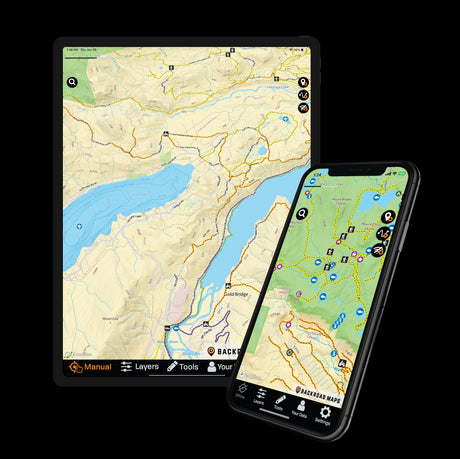
The catch, and it is a real one, is knowing which land is actually open. A block can be Crown-owned but under an agricultural lease, inside a provincial forest with its own rules, or bordered by private property that looks identical from a gravel road. Sort that out before you unpack, using the Crown land and private land layers in the BRMB Maps app.
The honest truth about Manitoba's rules
Here is where most guides get lazy and just copy a number from another province. We checked the official sources instead.
Manitoba does not publish a clear maximum-stay limit for camping on unoccupied Crown land the way Ontario (21 days) or Alberta and BC (14 days) do. It also does not offer a simple, consumer-facing "casual camping permit" for dispersed recreation. The Crown Lands Act governs how Crown land is used, but it does not lay out a tidy recreational-camping day count online (Government of Manitoba).
So what should you actually do? Treat Crown land camping as allowed for genuine short-term recreation, keep your stay short and low-impact, and if you plan to settle in one spot for more than a few days, call the local Manitoba natural resource district office and ask. That single phone call is more reliable than any number you will read online, including a confident-sounding one.
This is not a loophole. It is how the honest version works, and knowing it keeps you out of trouble.
Campfires and fire bans: the rule that catches people
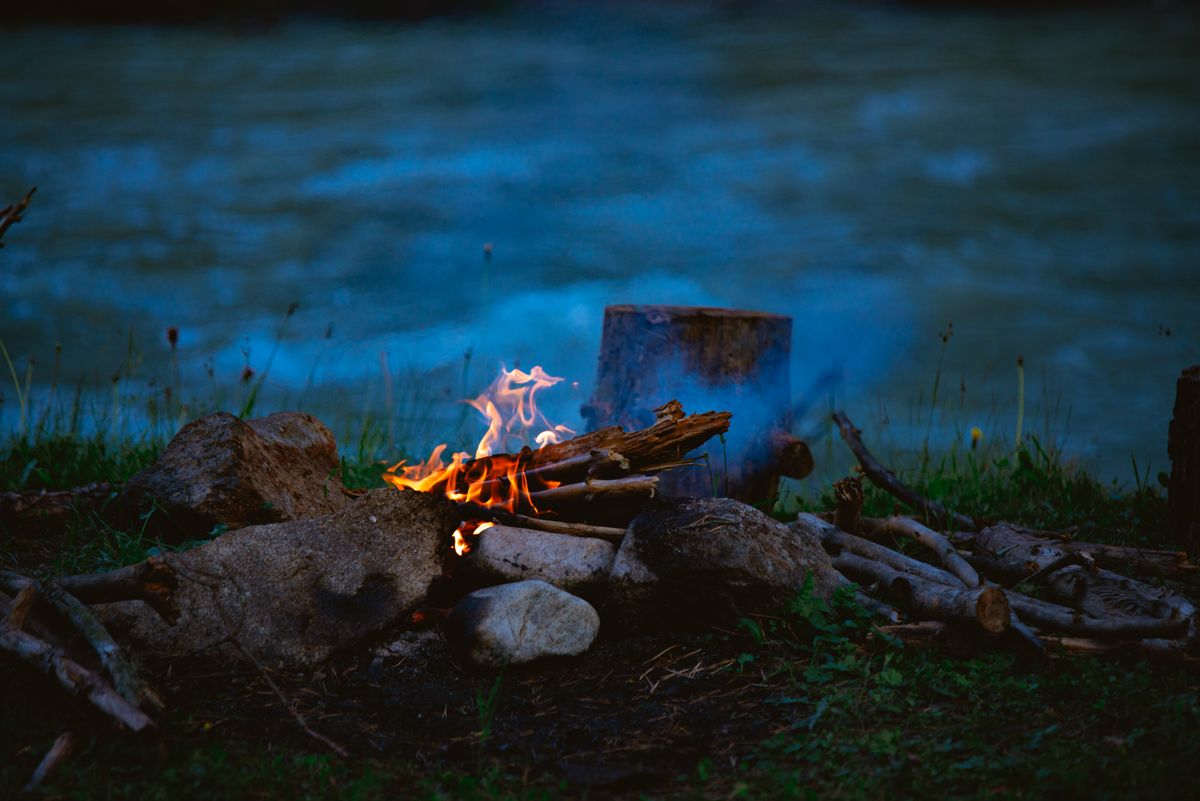
This is the most concrete, most enforced rule in the province, so get it right. Open fires on Crown land are prohibited from April 1 to November 15 every year, unless you have a burning permit or you are using an enclosed approved firepit such as the grated pits in provincial campsites (Government of Manitoba).
Read that again, because it covers the entire prime camping season. If you are dispersed camping on Crown land in July without a permit and without an approved pit, an open campfire is not legal. Manitoba's wildfire seasons have been severe in recent years, and fire and travel restrictions can close areas outright.
Before any trip, check the live provincial fire and travel restrictions map (Government of Manitoba), and check it again the morning you leave. To report a wildfire, call 1-800-782-0076.
Provincial parks vs Crown land: know which you are on
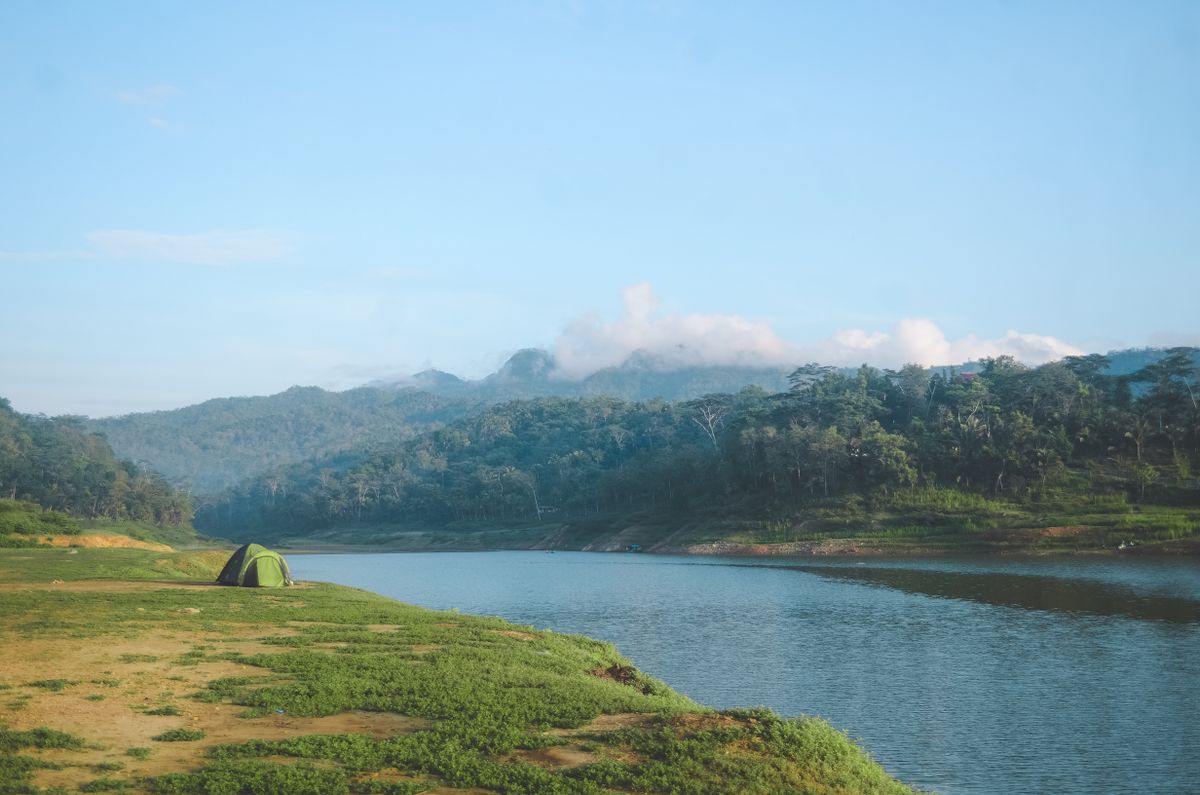
Manitoba has more than 90 provincial parks protecting over 4 million hectares (Government of Manitoba). These are not free Crown land. In a provincial park you need a park vehicle permit displayed in the windshield: $44.50 for an annual, $16.50 for a three-day casual, or $9.50 for a day. Camping is in designated campgrounds, with nightly fees running from $11.55 to $23.65 for basic sites and $17.85 to $29.95 for electrical, plus a $10 reservation fee (Government of Manitoba).
Provincial forests and general Crown land are the free, unstructured option. The trouble is the boundaries blur on the ground: a park, a provincial forest, and open Crown land can share the same shoreline. Confirm which one you are standing on before you set up, because the rules and the costs are completely different.
Plan and check boundaries on BRMB's Manitoba layers before you leave the highway.
Where to actually go
Manitoba splits neatly into developed parks and wilder Crown land and provincial forest.
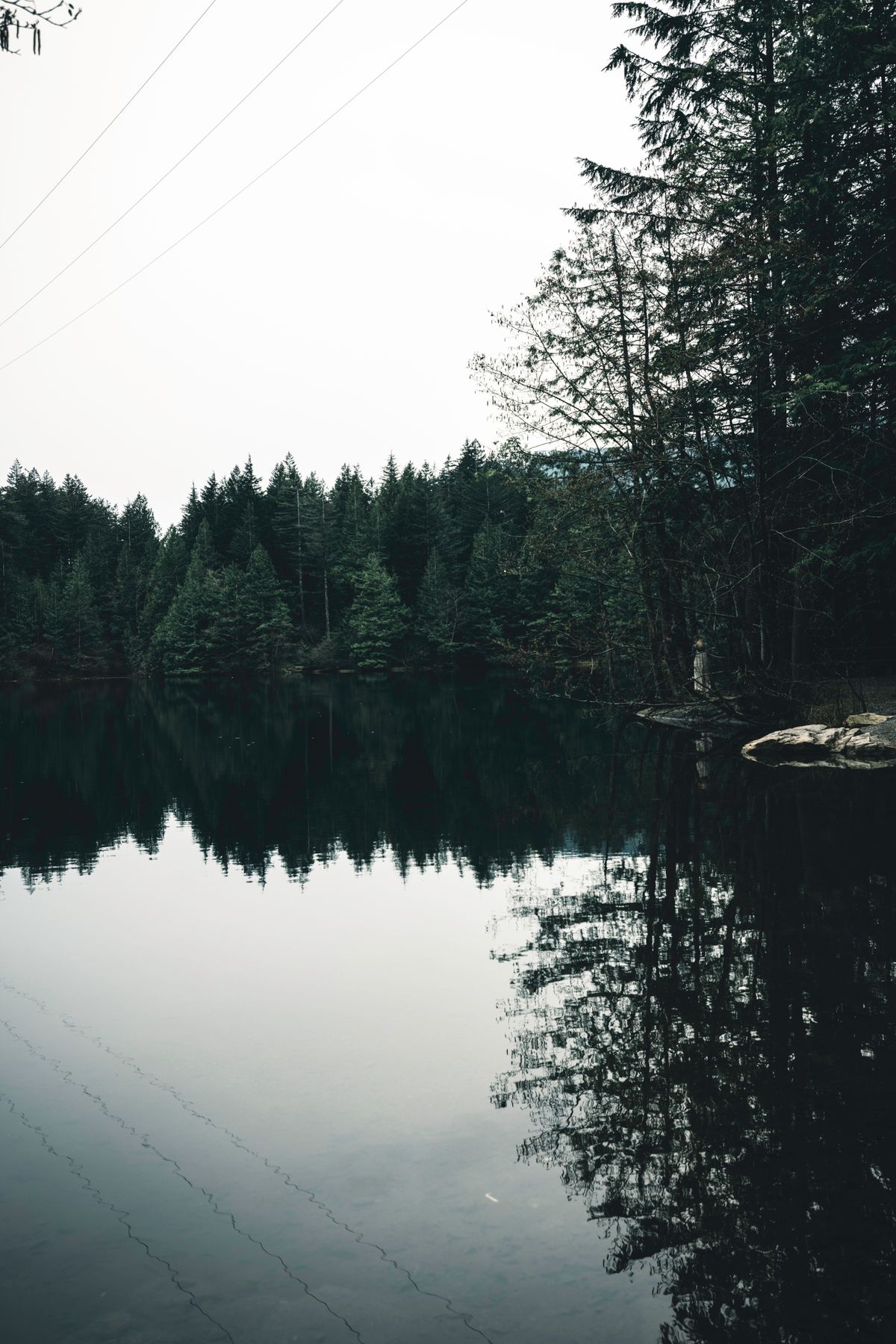
For structured camping with a backcountry option, the parks deliver. Whiteshell Provincial Park in the east is the classic: more than 200 lakes on the Canadian Shield, developed campgrounds, and the long Mantario backcountry trail for those who want to walk in. Nopiming, just north, is rugged Shield country recovering from the 2025 wildfire season, so check current access. Duck Mountain, Turtle Mountain, Spruce Woods with its surprising sand dunes, and Grass River with its canoe routes round out the range from prairie to boreal.
For true Crown land and provincial forest camping, the freedom goes up and the facilities disappear. Atikaki Provincial Wilderness Park in the east is the extreme end: no road access and no designated campgrounds, where "visitors are expected to camp at an existing site, usually marked by a primitive fire ring" (Government of Manitoba). The Sandilands, Duck Mountain, and Porcupine provincial forests, along with the Interlake and the east-side Shield lakes, are the dispersed-camping heartland. These are the areas where a detailed Crown land map matters most.
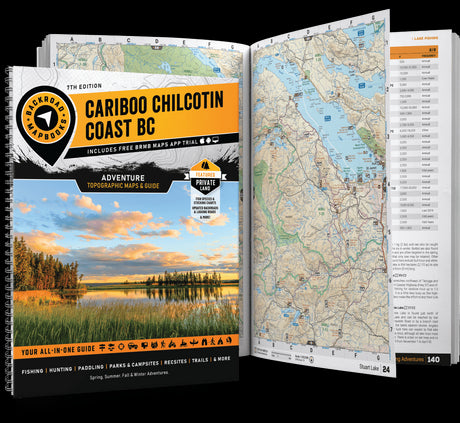
Scout access, boat launches, and the Crown land boundaries on BRMB's Manitoba layers. For a print backup, the current Manitoba Backroad Mapbook added provincial Crown land areas directly to its maps, which is exactly what you need for legal dispersed camping.
Getting there: vehicles and off-road
Reaching Crown land often means gravel, and sometimes an off-road vehicle. In Manitoba, ATVs, dirt bikes, and snowmobiles must be registered under the Off-Road Vehicles Act through Manitoba Public Insurance. If you snowmobile, you also need a Snopass, $150 a year, to ride the Snoman-groomed network of more than 12,000 km of trails, and the fine for riding designated trails without one runs over $400 (Manitoba Public Insurance).
Your licensed highway vehicle needs nothing extra to drive a Crown land road, but those roads are often unmaintained. Carry a real spare, know your fuel range, and do not count on cell service.
The boundary problem, and agricultural leases
The single most common way to end up somewhere you should not be is agricultural Crown land. These are public lands leased for grazing, haying, or cropping, sometimes on forage leases lasting up to 15 years (Government of Manitoba). The land is Crown-owned, but it is under active lease and not open for you to camp on.
From a gravel road, leased Crown land, open Crown land, and deeded private land look the same. There is no colour-coded fence. A map with distinct Crown land and private land layers, checked against your GPS position, is the only way to be sure. Confirm it before you pull in, not after a rancher finds your tent in a hayfield.
Common mistakes to avoid
Assuming a specific stay limit. Manitoba does not clearly publish one for Crown land. Keep stays short and confirm locally for anything longer.
Lighting an open fire in summer. Prohibited April 1 to November 15 without a permit or approved pit. This covers the whole camping season.
Confusing a park with Crown land. Parks need a vehicle permit and a paid campground site. Crown land does not. Know which you are on.
Camping on a Crown land lease. Agricultural leases are Crown-owned but off-limits. Check the map.
Skipping the fire and travel restriction check. Manitoba closes areas during severe fire seasons. Check the live map before you go.
FAQ
Is Crown land camping free in Manitoba?
Yes. Short-term recreational camping on unoccupied Crown land is generally allowed and free. Provincial parks are separate and require a park vehicle permit plus paid campground fees.
How long can you camp on Crown land in Manitoba?
Manitoba does not clearly publish a maximum-stay limit for Crown land, unlike Ontario, Alberta, or BC. Keep stays short and low-impact, and confirm current rules with the local natural resource district office before a longer stay.
Do you need a permit to camp on Crown land in Manitoba?
There is no simple general camping permit published for dispersed recreation on unoccupied Crown land. You do need a park vehicle permit for provincial parks, and a burning permit if you want an open fire during the April 1 to November 15 restriction period.
Can you have a campfire while camping on Crown land in Manitoba?
Only with a burning permit or in an enclosed approved firepit between April 1 and November 15, when open fires are otherwise prohibited. Always check the live fire and travel restrictions map first.
How do I know if land is Crown land or private in Manitoba?
They look identical on the ground, and Crown land can also be under an agricultural lease that is off-limits. Use a map with distinct Crown land and private land layers, like the BRMB Maps app, to confirm before you set up.
Wrap up
Manitoba rewards campers who do a little homework. The freedom is real, the fire rule is strict, and the biggest risk is setting up on leased or private land you thought was open. Keep your stay short, confirm anything you are unsure about with the local district office, respect the fire restrictions, and always know which side of the boundary you are on.
Scout Crown land, provincial forests, and access roads on BRMB Maps before you go, then download the maps for offline use (a PRO feature) so you can still see the boundaries where there is no signal. Start planning on the BRMB Maps Explore Canada hub.