Summary: Crown land camping in Alberta is free on most public land, but the Eastern Slopes of the Rockies are the big exception: from Grande Prairie to Waterton you need a Public Lands Camping Pass, which costs $20 for three days or $30 for the year. Here is exactly where you can camp for free, where the pass applies, and how to stay on the right side of the line.
Alberta has some of the best free camping in Canada, and most people never use it because they cannot tell where the rules change.
Backroad Maps has charted this province for more than 30 years, and the logic is simpler than it looks. On most public land you can pull off, set up, and camp for free. Along the Eastern Slopes of the Rockies, the busiest and most beautiful strip in the province, you now need a pass. And near parks, recreation areas, and a handful of managed zones, random camping is off the table entirely.
"Crown land covers approximately 60% of the province and sustains Alberta's abundance of resources and biodiversity." (Government of Alberta)
That 60% is the opportunity. Here is how to use it legally.
Key takeaways
- Random camping on public land is free across most of Alberta, with a 14-day limit in any one spot.
- The Eastern Slopes, from Grande Prairie to Waterton, need a Public Lands Camping Pass: $20 for three days, $30 annual, per person.
- You cannot random camp within 1 km of a provincial park, recreation area, or (in several managed zones) a road.
- Alberta has 18 Public Land Use Zones, each with its own posted rules. Signs on the ground always win.
- A map that shows public-versus-private boundaries and road access is the fastest way to find legal, quiet camping.
What "crown land camping" actually means in Alberta
The government does not call it crown land camping. The official term is random camping, and it means setting up on vacant public land or inside a Public Land Use Zone (PLUZ) without a designated campsite, fee, or reservation. Roughly 60 percent of Alberta is public land, so the room to do this is enormous (Alberta.ca).
Random camping is different from a provincial park or provincial recreation area. In those, you camp only in a designated, usually reservable campground. Public land is the opposite: no facilities, no booking, and no fee across most of the province, as long as you follow the zone rules and pack out everything you bring in (Alberta.ca).
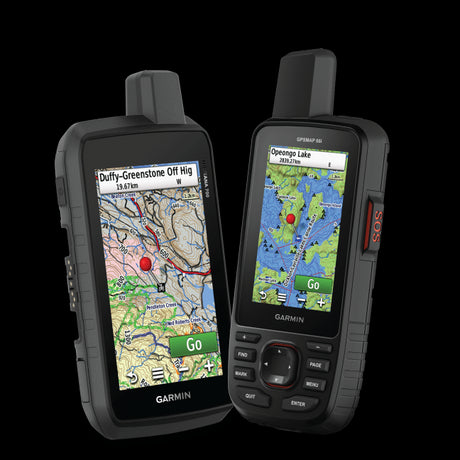
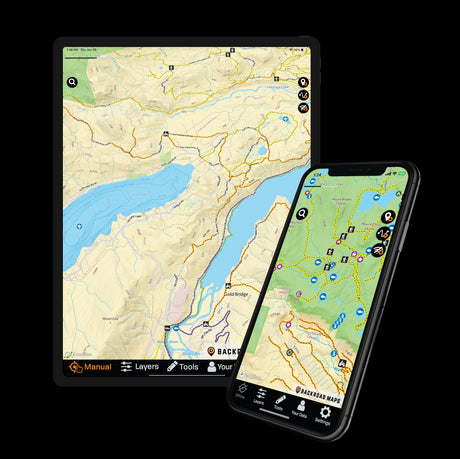
The catch is that "public land" and "private land" can look identical from the road. A grazing lease, a section of deeded ranch, and open crown land often share the same fence line and the same grass. Get it wrong and you are trespassing. This is where a map that draws the boundary for you, like the public and private land layers in the BRMB Maps app, saves you a very awkward conversation.
The pass: where you need one and where you don't
Here is the part that trips up almost everyone, including a lot of guides online. Alberta does not require a camping pass for all public land. It requires one only in specific places.
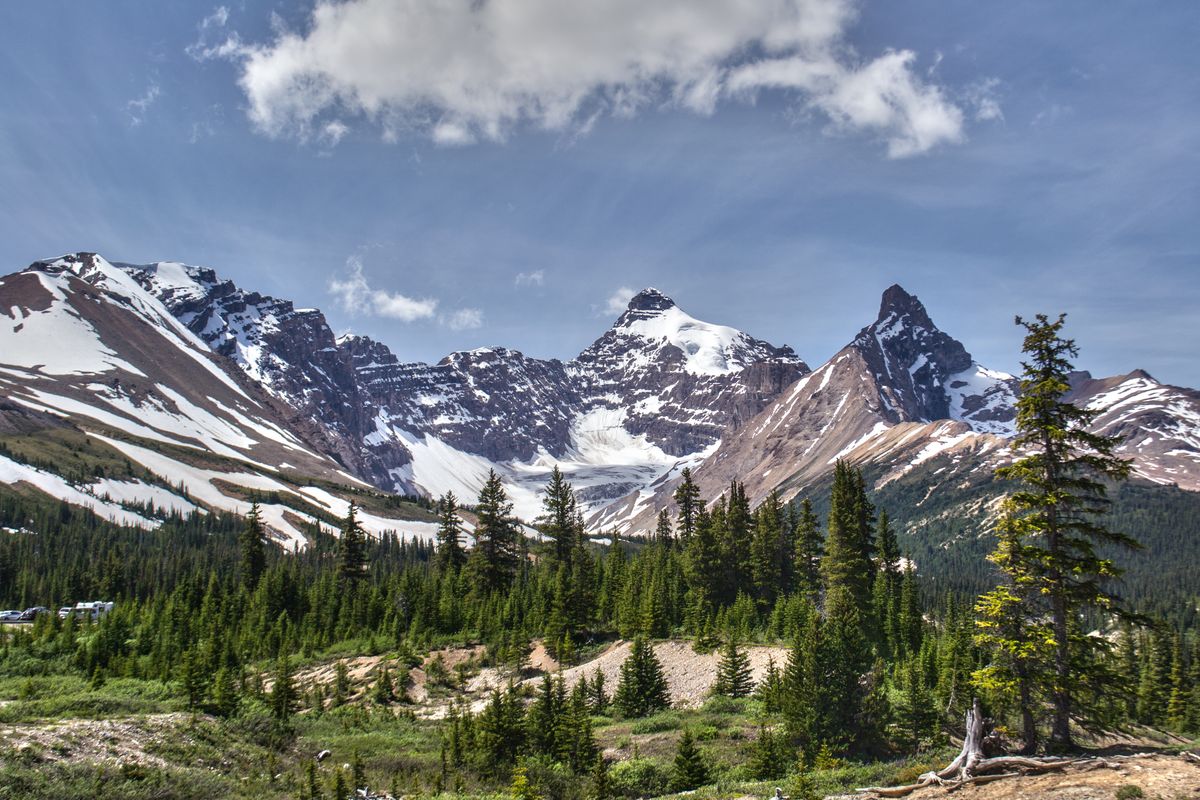
You need a Public Lands Camping Pass to random camp along the Eastern Slopes of the Rocky Mountains, from Grande Prairie south to Waterton Lakes National Park. The pass also applies inside the Porcupine Hills PLUZ, within Willmore Wilderness Park, and on agricultural crown land inside that boundary (with the leaseholder's permission). Anyone 18 or older in your group needs their own pass, and the rate is the same for residents and visitors (Alberta.ca).
The cost is modest. A three-day pass is $20 per person. An annual pass is $30 per person. Add a $3.25 system fee plus GST per transaction, and a one-time $8 Wildlife Identification Number (WIN) if you have never bought an Alberta licence or pass before. Since the program launched in 2021, pass sales have raised more than $3.6 million, reinvested into the same Eastern Slopes region you are camping in (Alberta.ca).
Camp on public land outside that Eastern Slopes boundary, say up in the northern PLUZs or on vacant public land elsewhere, and no camping pass is required. Free still means free across most of the province. The pass is a targeted fix for the most heavily used corridor, not a province-wide toll.
Plan your trip and check which side of the pass boundary you are on with BRMB's Alberta layers before you leave.
The rules that apply almost everywhere
A few rules follow you onto public land no matter which zone you pick.
The 14-day limit. You can stay in one spot for a maximum of 14 days. After that, you have to move your camp at least 1 kilometre for at least 72 hours before returning (Alberta.ca). This is enforced, and it exists to stop people from turning free public land into a permanent private lot.
The 1-kilometre buffers. You cannot random camp within 1 km of a Public Land Recreation Area, a provincial park, or a provincial recreation area. In several managed zones, including the Kananaskis PLUZ, the McLean Creek OHV PLUZ, and the Sibbald and Cataract Creek snow vehicle zones, you also cannot camp within 1 km of a road unless a sign says otherwise (Alberta.ca).
Signs beat everything. Alberta has 18 Public Land Use Zones, and each can set its own camping nodes, closures, and seasonal restrictions. A posted notice on the ground overrides anything you read online, including this post. Read the sign at the access point.
Fines are real. Break the rules and specified penalties under the Public Lands Administration Regulation run from $60 to $600, and ticketed fines come in about 20 percent higher once the victim surcharge is added (Alberta.ca).
Where to actually go
The Eastern Slopes hold the best-known spots, and yes, most of them sit inside the pass area. A few to know:
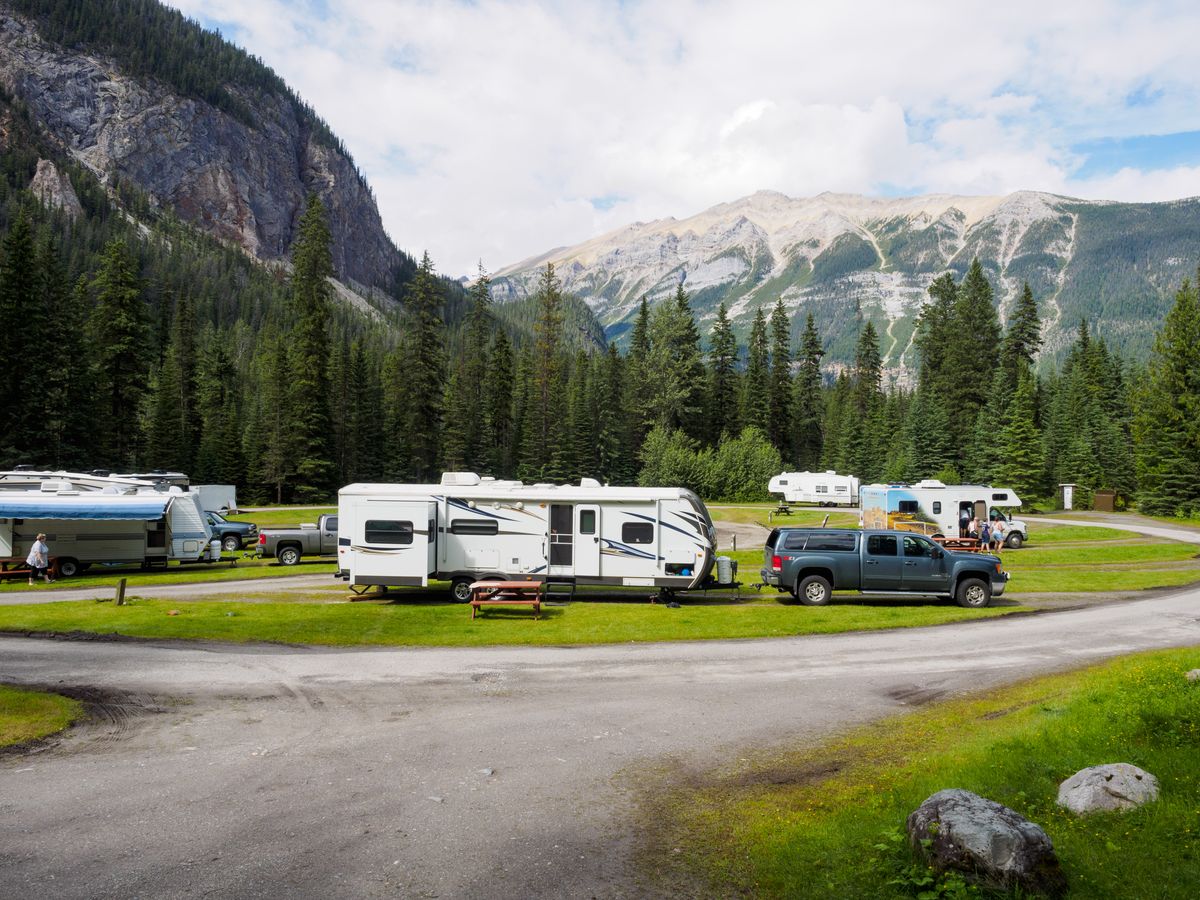
Ghost PLUZ, west of Cochrane, is a rugged, popular zone with designated camping nodes and quick access from Calgary. Pass required.
McLean Creek, southwest of Bragg Creek, is the go-to for OHV users and one of the busiest zones in the province. Pass required, and remember the no-camping-within-1-km-of-a-road rule here.
Livingstone and Porcupine Hills, in the southwest ranch country near the Crowsnest Pass, offer big open foothills camping. Both sit in the pass area, and Porcupine Hills is called out by name as requiring the pass.
Kananaskis PLUZ allows random camping with the pass, but do not confuse it with the separate Kananaskis Conservation Pass, which is a different fee for the parks system and does not cover random camping.
Head into the northern foothills and boreal PLUZs, like the Whitecourt or Coal Branch areas, and you trade mountain views for solitude and, in many cases, no camping pass requirement. Confirm the pass boundary zone by zone, because a few northern zones brush the Eastern Slopes line.
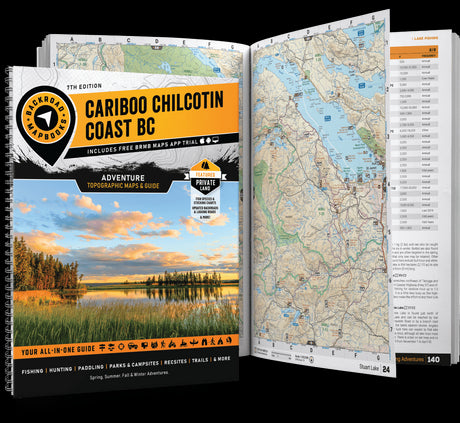
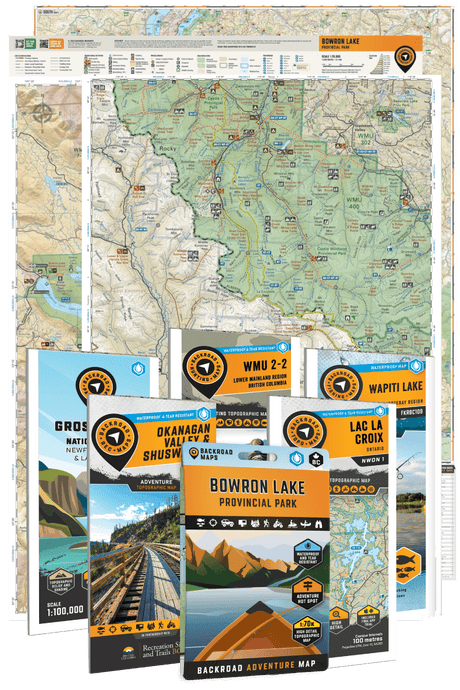
Map the public-land boundaries and road access for any of these on BRMB's Alberta layers. For a print backup that covers the whole road network, the Alberta Backroad Mapbook bundle is the most complete resource for the province.
Campfires, firewood, and fire bans
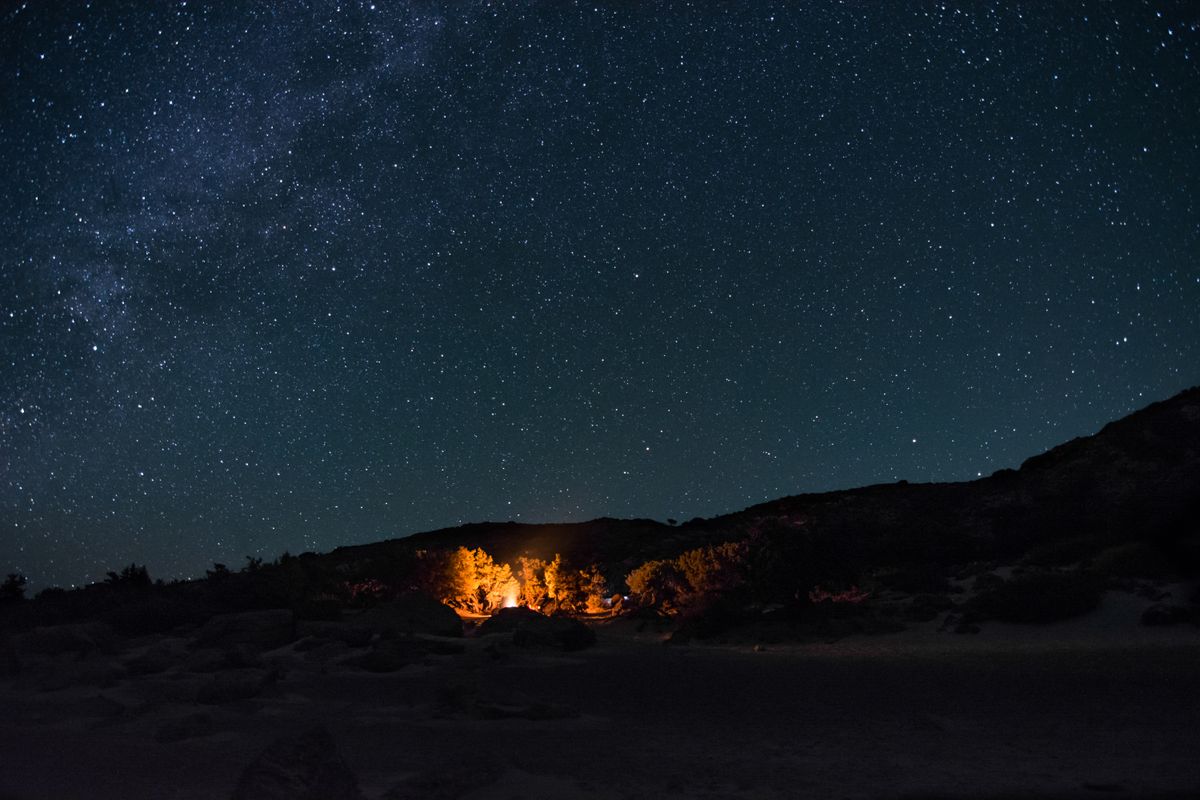
Campfires are allowed on public land within PLUZs and Public Land Recreation Areas under the Forest and Prairie Protection Act, though some zones restrict fires to designated camping areas only. Keep any open fire at least 1 km from a park or recreation area boundary. If you want to cut standing vegetation for firewood, you need a permit; downed deadwood is generally fine (Alberta.ca).
The bigger issue is fire bans. Alberta's fire hazard can flip from moderate to extreme in a day, and campfire bans follow. Check albertafirebans.ca the morning you leave and again if you are out for several days. A fire during a ban is both a serious fine and a genuine risk to the country you came to enjoy.
Private land, leases, and the boundary problem
The single most common way people get in trouble is crossing onto land they think is public. Alberta has a lot of agricultural crown land under grazing and farm-development leases. On that land, you must contact the leaseholder for permission before you access it, and they can legally say no to camping (Alberta.ca).
From the driver's seat, leased crown land, deeded private land, and open public land can be impossible to tell apart. There is no colour-coded fence. The reliable fix is a map with a private-land layer you can check against your GPS location, which is exactly what the BRMB Maps app is built to do. Confirm the boundary before you pull off the road, not after someone knocks on your window.
Common mistakes to avoid
Assuming the pass covers the whole province. It does not. It applies to the Eastern Slopes, Porcupine Hills, and Willmore. Elsewhere, public-land camping is still free.
Camping too close to a park or road. The 1-km buffers around parks and recreation areas, and around roads in the managed zones, catch a lot of people. Measure it on your map.
Ignoring the posted sign. Zone rules and seasonal closures change. The notice at the access point is the current, legal word.
Not checking the fire ban. Alberta's hazard rating moves fast. A ban can land between when you plan and when you arrive.
Guessing at the property line. If you cannot confirm it is public, treat it as private and move on.
FAQ
Is crown land camping free in Alberta?
On most public land, yes. Random camping is free across the majority of the province, with a 14-day stay limit per spot. The exception is the Eastern Slopes from Grande Prairie to Waterton, where you need a Public Lands Camping Pass ($20 for three days or $30 annual, per person).
Where do I need a Public Lands Camping Pass?
Along the Eastern Slopes of the Rockies from Grande Prairie to Waterton Lakes National Park, inside the Porcupine Hills PLUZ, within Willmore Wilderness Park, and on agricultural crown land inside that area with the leaseholder's permission. Everyone 18 and older needs their own pass.
How long can I camp on public land in Alberta?
Up to 14 days in one location. After 14 days you must move at least 1 km for at least 72 hours before camping in the same area again.
Can I have a campfire while random camping?
Usually, within PLUZs and recreation areas, unless a fire ban is in effect or the zone limits fires to designated spots. Cutting live wood needs a permit. Always check albertafirebans.ca before you go.
How do I know if land is public or private?
Public and private land often look identical on the ground. Use a map with public and private land layers, like the BRMB Maps app, to confirm the boundary against your location before you set up camp.
Wrap up
Alberta's public land is one of the best free-camping resources in the country, and it is yours to use if you follow a few clear rules. Buy the pass if you are heading to the Eastern Slopes. Respect the 14-day limit and the 1-km buffers. Check the fire ban. And know exactly where the property line is before you pull off the road.
Scout public-land boundaries, road access, and camping zones on BRMB Maps before you go, then download the maps for offline use (a PRO feature) so you can still see the lines when the cell signal quits. Start planning on the BRMB Maps Explore Canada hub.