Summary: Waterfowl hunting in Manitoba requires two separate licences: a federal Migratory Game Bird Hunting Permit at $17, which includes the Canadian Wildlife Habitat Conservation Stamp, and a provincial game bird licence at $37 for Manitoba residents. Ducks open September 1 across all four zones with a daily limit of eight and a possession limit of 24. Snow and Ross's geese run at 50 a day with no possession limit at all. Nothing in the migratory bird regulations changed for 2026-27. Here are the zones, the exact dates, the access rules and the marshes with real numbers behind them.
Two licences. Miss either one and you are hunting illegally, no matter how correct everything else is.
Backroad Maps has charted this province for more than 30 years, and Manitoba is genuinely one of the best places on the continent to point a shotgun at the sky. The province's own description of why is hard to improve on, and it explains the geography better than a map legend would.
"Manitoba's vast landscape contains a mixture of the famous Prairie Pothole Region known for producing high densities of ducks, a vast boreal forest region with thousands of unexplored lakes, and a subarctic region important for large numbers staging and nesting Canada and snow geese." (Province of Manitoba)
What follows is the paperwork, the dates, the limits and the ground. In that order, because that is the order that keeps you legal.
Key takeaways
- You need both a federal Migratory Game Bird Hunting Permit ($17, includes the $8.50 habitat stamp) and a Manitoba game bird licence ($37 for residents, effective April 1, 2026).
- Manitoba has four game bird hunting zones. Ducks and dark geese open September 1 everywhere, with a residents of Canada only period first in Zones 2, 3 and 4.
- Daily limits: 8 ducks, 8 Canada, cackling and white-fronted geese and brant, 50 snow and Ross's geese with no possession limit, 5 sandhill cranes, 10 snipe.
- Non-toxic shot is mandatory for all migratory game birds in Manitoba except woodcock, and your shotgun may hold no more than three shells in magazine and chamber combined.
- There are no regulatory changes for the 2026-27 or 2027-28 seasons in Manitoba.
The two licences, and what they cost
The federal permit comes first. The Migratory Game Bird Hunting Permit is "$17.00 plus applicable taxes and includes the cost of the Canadian Wildlife Habitat Conservation Stamp ($8.50)." The 2026 e-permit, with the stamp image, is valid from August 1, 2026 to June 30, 2027. You can buy it online through the Regulatory Services Platform, at select Canada Post outlets, or from an independent vendor. E-permit buyers can still request the physical stamp by mail at no extra cost, which collectors will want to know (Environment and Climate Change Canada).
A youth permit, for hunters under 18 on the day of issue and under adult supervision, is free of charge. And a note for anyone attached to paper: physical permits and stamps "may be phased out as early as the 2027–2028 hunting season."
The provincial licence is separate and Ottawa says so plainly: the federal permit means you "will also likely require a provincial or territorial license." Manitoba game bird licence fees effective April 1, 2026 (Manitoba Hunting Guide):
- Manitoba resident: $37.00
- Canadian resident from outside Manitoba: $108.00
- Non-Canadian resident, upland: $184.00
- Non-Canadian resident, migratory: $229.00
Buy provincially at manitobaelicensing.ca, the Client Information Unit in Winnipeg, most Conservation Officer Service district offices, or regular vendor outlets. The licence year runs April 1, 2026 to March 31, 2027.
Non-Canadian hunters have three routes and they are worth understanding: a seven day licence purchased through a Manitoba outfitter, the Foreign Resident Migratory Game Bird licence draw, or grandfathered legacy holder status. The draw takes applications June 15 to July 15, costs $11.50 to enter with a $229 licence, allows up to six applicants together, and comes with a real restriction: "Outfitter services can not be used for hunters with a FRMGB Draw licence."
The four zones and the 2026-27 dates
Manitoba splits into four game bird hunting zones. Zone 1 is the far north, everything above 57 degrees north plus the portion east of 94 degrees west and north of 56 north. Zone 4 is the southern agricultural block, defined as a list of Provincial Game Hunting Areas including 22 through 38. Zones 2 and 3 fill the middle, with Zone 2's southern edge running east along 53 degrees north to Lake Winnipegosis (Manitoba regulations summary, August 2026 to July 2027).
Ducks
- Zone 1: September 1 to October 31.
- Zone 2: September 1 to 7 for residents of Canada only, then September 8 to November 30.
- Zones 3 and 4: September 1 to 23 for residents of Canada only, then September 24 to December 6.
Canada geese, cackling geese, white-fronted geese and brant follow exactly the same dates as ducks in all four zones.
Snow and Ross's geese are the exception, and one detail is easy to miss.
- Zone 1: August 15 to August 31, then September 1 to October 31.
- Zone 2: September 1 to 7 residents of Canada only, then September 8 to November 30.
- Zones 3 and 4: September 1 to 16 residents of Canada only, then September 17 to December 6.
Read that last line against the duck dates. In Zones 3 and 4 the residents only window for snow geese ends September 16, a full week earlier than the September 23 date for ducks and dark geese. If you are hosting a visiting Canadian hunter in mid September, the species matter.
Hunting hours are federal and simple: "No person shall hunt earlier than half an hour before sunrise or later than half an hour after sunset."
Bag and possession limits
All from the Manitoba summary for 2026-27:
- All ducks combined: 8 daily, 24 possession. In Zone 4, non-residents may take no more than 4 redheads or canvasbacks combined within that 8, and no more than 12 within the 24.
- Canada geese, cackling geese, white-fronted geese and brant: 8 daily, 24 possession.
- Snow geese and Ross's geese: 50 daily, possession limit "No limit."
- Coots: 8 daily, 24 possession. Snipe: 10 daily, 30 possession. Sandhill cranes: 5 daily, 15 possession.
The overabundant species framework also opens a spring season on snow and Ross's geese: Zone 1 April 1 to June 15, and Zones 2, 3 and 4 March 15 to May 31, at 50 a day with no possession limit. One extra method is allowed there: "Electronic bird calls of Snow Geese and Ross's Geese may be used." Note carefully that the summary does not extend any other relaxation to that season, so keep your shotgun plugged to three and follow the standard baiting rules unless you confirm otherwise.
Non-toxic shot is not optional: "In Manitoba, the use and possession of shot other than non-toxic shot is prohibited while hunting migratory game birds, except for woodcock."
Where the birds actually are
Four places in Manitoba have hard numbers behind them rather than reputation. Those are the four worth planning around.
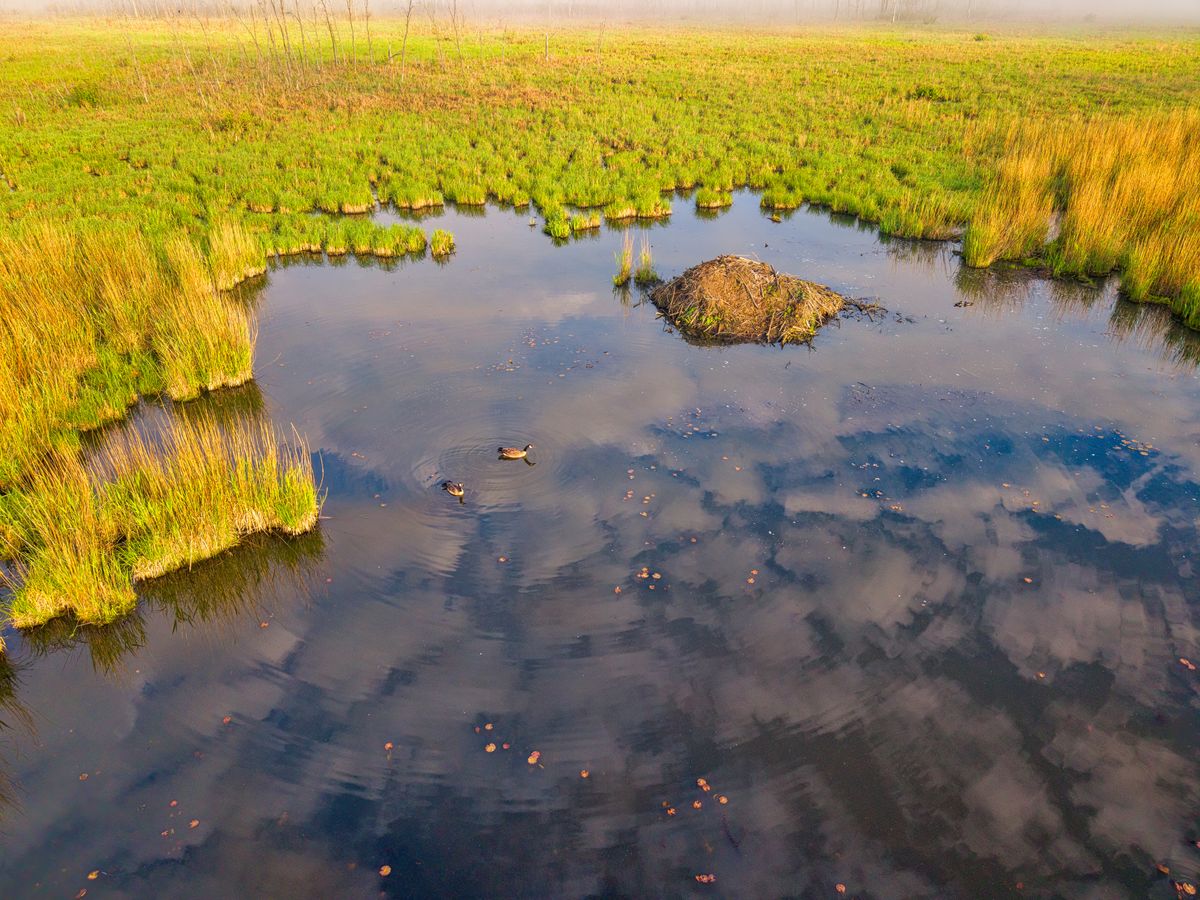
Delta Marsh. It stretches roughly 32 km along the south end of Lake Manitoba across about 18,500 hectares, was designated a Ramsar wetland of international importance in 1982 and an Important Bird and Biodiversity Area in 1999, and a paper co-authored by the Canadian Wildlife Service and the Manitoba Fish and Wildlife Branch calls it "a famed waterfowl hunting destination." After carp exclusion work, surveys recorded total daily diving duck abundance reaching roughly 8,058 birds and dabbling duck abundance around 12,070 mid-season. It is shallow, only a few feet deep across most of that expanse (Delta Marsh study).
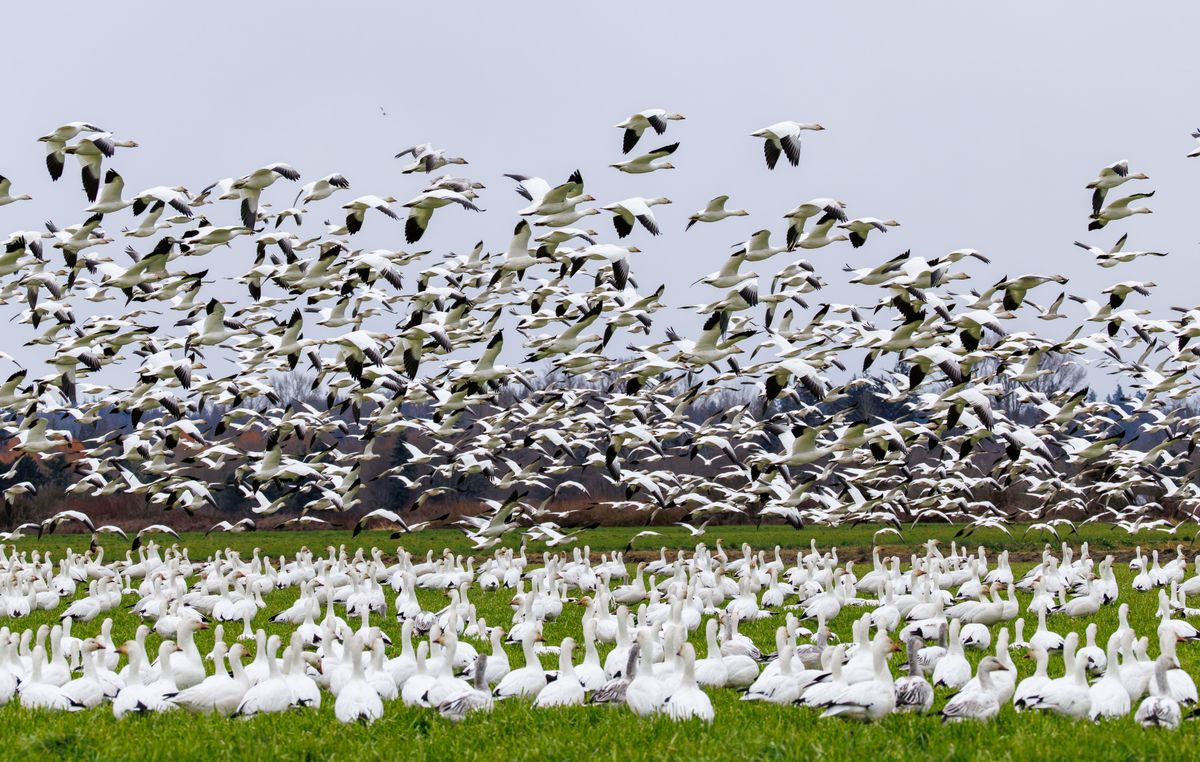
The Shoal Lakes, in the Interlake. The provincial watershed documentation records the strongest raw counts in the province: "Counts of 100,000 Canada Geese, 200,000 Lesser Snow Geese and 50,000 ducks of various species have been recorded." The North, East and West Shoal Lakes are classified as an Important Bird Area, and as much as 2.3 percent of the world's American White Pelican population has been reported there (Shoal Lakes watershed report).
Oak Hammock Marsh, at Stonewall. A 36 square kilometre Wildlife Management Area with 30 km of trails, designated a Ramsar site in 1987, supporting 25 species of mammals and 300 species of birds. Ducks Unlimited Canada states that "the number of waterfowl using the marsh during migration can exceed 100,000 daily." Hunting is not inside the WMA itself: beyond the boundaries "the Province of Manitoba operates a Managed Hunting Area with the cooperation of private landowners" (Ducks Unlimited Canada).
Big Grass Marsh, near Gladstone. Historically a 104,000 acre stopover, and the site of Ducks Unlimited Canada's first Canadian project, begun in 1938 within three months of the first DUC board meeting. They nicknamed it Duck Factory Number One. It reached 11,500 acres post recovery and currently spans about 7,500 acres, and DUC says it "continues to be a vital staging area for the continent's waterfowl."
What the population numbers say for 2026
Some honest context before you set expectations. The 2025 breeding population in the Traditional Survey Area was approximately 34.8 million ducks, but the headline species are down against their long term averages. Mallards came in at 6.55 million, "23% below the 10-year average of 8.46 million birds." Blue-winged teal came in at 4.43 million, "25% below the 10-year average of 5.9 million birds." Northern pintail sat at 2.24 million and scaup at 3.68 million (ECCC population status report).
Hunter numbers give useful perspective too. Manitoba permit stub returns were 6,992 in 2024, 7,274 in 2023 and 6,810 in 2022, against a Canada wide 146,640 in 2024. Read those as a floor rather than a total, because ECCC counts stubs actually returned, not permits sold. Nationally, permit sales peaked around 525,000 in 1978 and fell to roughly 175,000 by 2002. Canada's duck harvest in 2024 was approximately 691 thousand birds, against a 1976 peak of about 3.69 million.
Fewer hunters, fewer wetlands. Ducks Unlimited Canada reports that up to 40 percent of wetlands in the Prairie Pothole Region have been drained and "more than 29,000 acres of potholes continue to be lost each year," while "parts of southwest Manitoba have lost up to 70 per cent of their historical wetlands" with drainage continuing at nine acres a day. For eight waterfowl species, "up to 50 per cent of the North American population is supported by this habitat" (Ducks Unlimited Canada).
That is the argument for buying the stamp rather than skipping it.
Access: the rule that decides your morning
Manitoba's private land rule is unambiguous: "Prior to hunting or retrieving a game animal on private land, hunters are required to obtain permission from the owner or lawful occupant. This applies whether or not the land is posted." Railway rights-of-way count as private land, so hunting there is generally not permitted.
Crown land is where the opportunity is, and Manitoba is generous by prairie standards. Wildlife Management Areas, provincial forests and undesignated Crown land are generally open, and the WMA system alone covers almost 2 million hectares. Agricultural Crown leases are the surprise: "Most leased Crown land is open for hunting" and "Permission is not required to hunt on leased provincial Crown land, which is not posted in this manner." The exceptions are intensively used areas such as livestock corrals, feeding areas and building sites. Ducks Unlimited Canada separately holds more than 45,000 acres in Manitoba open to public hunting and trapping.
Roads are where honest hunters get tickets. On provincial roads and provincial trunk highways, "no person may discharge a firearm or bow from, across or along any provincial road (PR) or provincial trunk highway (PTH) including the road allowance (ditch)." On municipal roads the restriction is narrower and specific: "Centrefire rifles, or muzzleloading firearms and shotguns with slugs may not be discharged from, across or along a public road within a municipality," including the ditch. Note what that municipal rule names and does not name, and do not extrapolate.
Also: no loaded firearm in or on a vehicle, and "It is illegal to hunt, including searching for and following wildlife, from a vehicle." A power boat or e-bike is not a vehicle "if the motor is not in operation and all progress caused by the motor has stopped," and federally you may hunt from a motorised boat as long as it is not moving under motor power.
Two federal rules people forget. Your shotgun "must be either designed or modified so that they can hold no more than three cartridges in the magazine and chamber combined." And baiting must cease 14 days before the season opens, with no hunting within 400 metres of a baited place unless it has been bait free for at least seven days.
Sorting Crown from leased from deeded, before dawn
In the Interlake and the southwest, a stubble field, a hay lease and a section of open Crown land can share the same quarter line, and at 5:30 in the morning they look exactly the same.

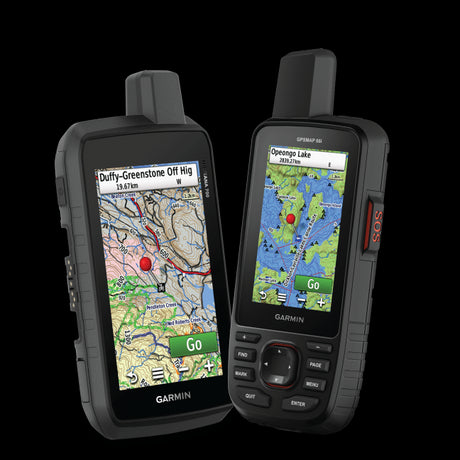
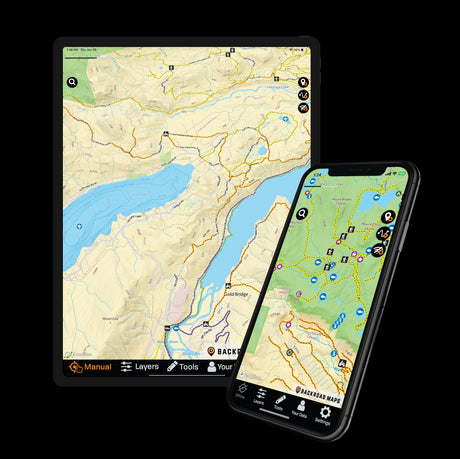
The Crown land and private land layers in the BRMB Maps app put that distinction on screen with your GPS position, which is the difference between a knock on the door and a conversation with a conservation officer. Worth knowing that leased Crown land in Manitoba is generally open unposted, so the layer tells you where to look and the signage tells you where to stop.
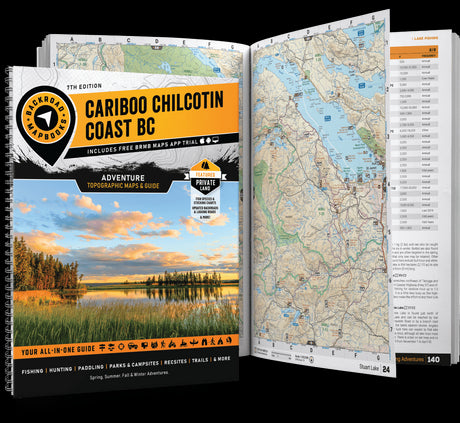
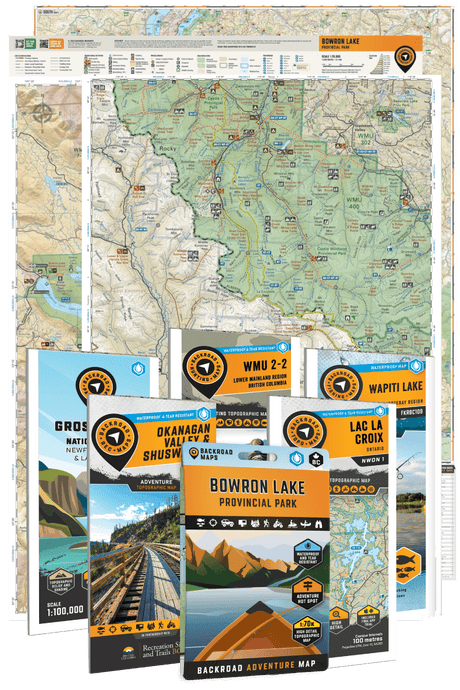
Scout wetlands, access tracks and boundaries on BRMB's Manitoba layers before you commit to a morning. The current Manitoba Backroad Mapbook added provincial Crown land areas directly to its maps, and the hunting TOPO series covers Manitoba's game hunting areas. If you are camping the trip rather than driving out each morning, our guide to Crown land camping in Manitoba covers the fire and stay rules, which are stricter than most people expect.
FAQ
What licences do you need to hunt waterfowl in Manitoba?
Two. A federal Migratory Game Bird Hunting Permit at $17, which includes the Canadian Wildlife Habitat Conservation Stamp, and a Manitoba game bird licence at $37 for residents, $108 for Canadian residents from outside Manitoba, and $229 for non-Canadian migratory hunters.
When does duck season open in Manitoba in 2026?
September 1 in all four zones. In Zone 2 the first week is restricted to residents of Canada, and in Zones 3 and 4 the first 23 days are. Zone 1 closes October 31, Zone 2 closes November 30, and Zones 3 and 4 close December 6.
What is the daily limit for geese in Manitoba?
Eight for Canada geese, cackling geese, white-fronted geese and brant, with a possession limit of 24. Snow and Ross's geese are 50 a day with no possession limit, under the overabundant species framework.
Do you need permission to hunt Crown land in Manitoba?
Generally no. Wildlife Management Areas, provincial forests and undesignated Crown land are usually open, and most leased Crown land is open without permission unless posted. Private land always needs permission, posted or not.
Did Manitoba's waterfowl regulations change for 2026?
No. Environment and Climate Change Canada states that no regulatory changes have been made for the 2026 to 2027 and 2027 to 2028 hunting seasons. The one change on the horizon is that physical permits and stamps may be phased out as early as 2027-28.
Wrap up
Manitoba rewards preparation more than gear. Buy both licences, check which zone your field sits in, and pay attention to the snow goose date in Zones 3 and 4 if you are hunting with visitors. Non-toxic shot, three shells, and permission on every quarter of private ground you set foot on.
Then do the ground work. Find the water on a map, find the field the birds are feeding in, and know whether the quarter between them is deeded, leased or open Crown before you drive in at dark. Scout wetlands, Crown land boundaries and access roads on BRMB Maps, then download the area for offline use, a PRO feature, because the Interlake and the southwest both have long stretches with no signal. Start planning on the BRMB Maps Explore Canada hub.