Those who dismiss Saskatchewan as nothing more than flat prairie are overlooking a province rich in diverse landscapes and unforgettable outdoor experiences. Situated in the heart of Canada, it’s a place many travellers pass through on their way east or west, but it’s well worth slowing down to explore. From remote wilderness and scenic waterways to unique geological formations and abundant wildlife, Saskatchewan is full of “hidden gems” waiting to be discovered.
![]() Paddling Saskatchewan Waters
Paddling Saskatchewan Waters
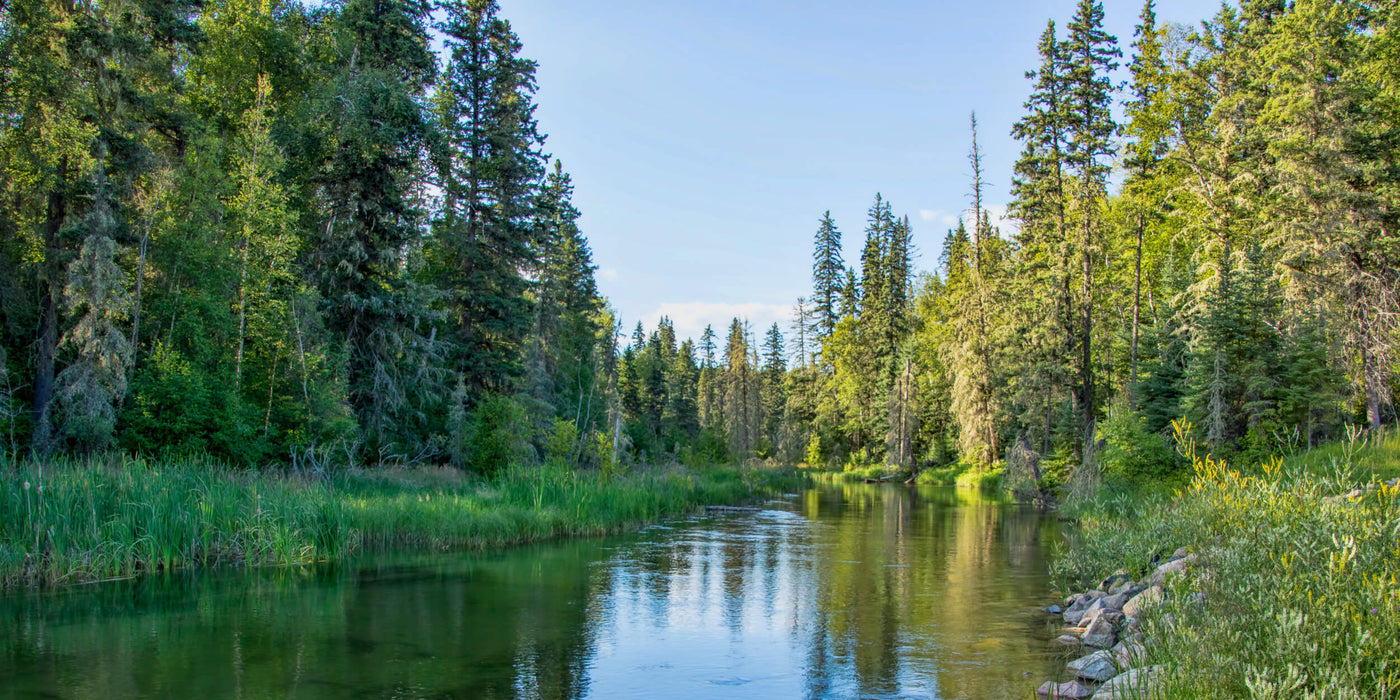
Saskatchewan offers a wealth of paddling opportunities, from peaceful lake loops to rugged river expeditions. At the heart of the province, Prince Albert National Park is a standout destination, featuring several rewarding day trips with overnight options. One of the best is the 26 km (16 mile) Bagwa Loop, which begins on Kingsmere Lake and winds through Bagwa, Lily, and Claire Lakes. With minimal portaging and secluded single campsites, it’s an ideal route for those seeking solitude. History enthusiasts can paddle 36 km (22 miles) up Kingsmere Lake to visit Grey Owl’s Cabin—a scenic out-and-back journey that also works well as an overnight trip, with camping available near the trailhead to the cabin.
For those drawn to river travel, Saskatchewan delivers more demanding adventures. The South Saskatchewan River offers a 335 km (208 mile) journey from Saskatoon to Nipawin, best tackled in early summer. Despite its length, the route feels remote as it winds through a quiet river valley with few signs of civilization. For a deeper wilderness experience, paddlers can venture north to La Ronge. From here, three routes lead to Otter Lake, ranging from 100 to 145 km (62–90 miles) and typically taking about a week. Another exceptional option follows the historic Churchill River to Sandy Bay, a 222 km (138 mile) expedition that traces old fur trade routes over 10 to 12 days, passing landmarks like Stanley Mission and the stunning Nistowiak Falls.

An Angler’s Paradise
Despite its reputation as a dry, landlocked province, Saskatchewan offers excellent fishing across a surprisingly diverse range of lakes and reservoirs.
In the southern region, particularly from Saskatoon southward, many lakes are shallow and can be prone to winterkill. However, this area still features several productive fisheries, especially in larger or regularly stocked waters. Notable spots include Admiral Reservoir, known for walleye, yellow perch, and sauger; Cypress Lake, south of Cypress Hills Provincial Park, which supports walleye, burbot, and northern pike; Larsen Reservoir near Radville, offering northern pike, rainbow trout, and walleye; and Lisieux Pond, stocked with rainbow and tiger trout. Local tackle shops are invaluable resources here, often providing up-to-date advice on conditions and the most productive locations.
Northern Saskatchewan, by contrast, is a true angler’s wilderness. This region is characterized by rugged terrain and an abundance of lakes, from small, secluded ponds to massive bodies of water like Reindeer Lake and Lake Athabasca. While access can be challenging, it’s possible to travel about three quarters of the way north by road before venturing further by boat or other means. Standout destinations include Montreal Lake for trophy northern pike and walleye, Pierce Lake where lake trout are also abundant, and Lac la Ronge, which serves as a gateway to countless smaller, remote fishing spots.
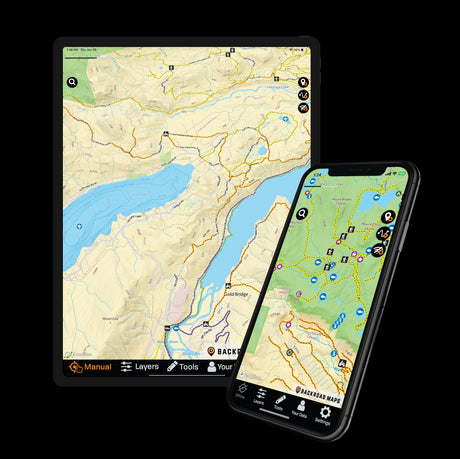
For those willing to go even farther, fly-in trips, canoe routes, or guided expeditions open the door to some of the province’s most pristine fisheries. These remote waters are home to thriving populations of lake trout, northern pike, and walleye, attracting anglers seeking both solitude and exceptional catches. Resources like the latest 3rd edition of the Saskatchewan Backroad Mapbook and the BRMB Maps App can help identify additional fishing hot spots and plan more adventurous outings.

Reaching the Backcountry by ATV and Snowmobile
ATV riding opportunities in Saskatchewan expand significantly as you move north. In the southern part of the province, private farmland can restrict access, but farther north, vast stretches of Crown Land open up, offering far greater freedom to explore. Many established snowmobile trails, typically located on Crown Land, double as excellent ATV routes during the warmer months. Northern Crown Land ATV networks are mapped in detail inside the Saskatchewan adventure directory, including the snowmobile-trail crossover routes.
The Hudson Bay region is a standout destination, featuring hundreds of kilometres of abandoned logging roads and trails winding through the Porcupine and Pasquia Provincial Forests. Popular riding areas include McBride Lake in Porcupine Hills Provincial Park, trails extending into the Northern Provincial Forest off Highway 9, and the Porcupine Hills east of town, where several lakes provide scenic camping spots.
Saskatchewan is somewhat unique in allowing ATV use in select provincial parks. Riders can explore designated areas within Great Blue Heron, Moose Mountain, Porcupine Hills, and Narrow Hills Provincial Parks. Other notable trail systems include Nisbet Forest, with over 470 km (292 miles) of trails, and the Fort à la Corne network, offering an additional 325 km (200 miles) of riding primarily along former roads.
In winter, the province transforms into a snowmobiling hub. The Saskatchewan Snowmobile Association (sasksnow.com), in partnership with more than 60 local clubs, maintains over 11,000 km (6,800+ miles) of groomed trails. Snowmobiling here is not just recreational, it’s often a practical mode of transportation, with riders traveling between communities along roadsides. Beyond the formal trail network, riders also take advantage of open fields, unplowed grid roads, and frozen lakes and rivers, ensuring there’s no shortage of terrain to explore.

Sand Dunes and Badlands in Saskatchewan? Yup!
Saskatchewan’s landscape is far more diverse than its prairie reputation suggests, offering a range of striking natural attractions, from badlands and sand dunes to cliffs, canyons, and waterfalls.
In the province’s south, the Killdeer Badlands in the East Block of Grasslands National Park stretch along the Montana border. This rugged terrain features dramatic buttes and exposed sedimentary layers dating back over 60 million years. It’s an ideal spot for backcountry camping, allowing visitors to fully experience the area over a couple of days.
Far to the north, Athabasca Sand Dunes Provincial Park presents a completely different environment. Located along the southern shore of Lake Athabasca, it is home to massive shifting sand dunes—among the largest in North America. Across the lake, the cliffs of Reed Bay and Lodge Bay, including the striking Pinnacle Rock, add to the scenery. The dunes themselves have revealed remnants of an ancient forest, with preserved tree trunks and roots visible in the sand. Remote, boat-access campsites make it possible to explore this unique landscape more deeply.
Another standout formation is Castle Butte, rising dramatically from the Big Muddy Badlands. This massive sandstone monolith, over 500 metres wide and 60 metres high, is a relic of the last ice age. The surrounding area also features the historic “Outlaw Caves,” once used by outlaws traveling along a route that stretched from Canada to Mexico. Sunrise and sunset offer the most dramatic views from the top.
For those seeking a more remote adventure, the Rice River Canyon offers impressive scale and solitude. Carved over 12,000 years, its walls rise up to 120 metres (400 feet) above the river. Accessible via a hike of about 10 km from Highway 55 near Pakwaw Lake, the canyon rewards visitors with sweeping views and a true wilderness experience.
Together, these destinations highlight the surprising geological and scenic diversity found across Saskatchewan.

World-class White-tailed Deer Hunting
Saskatchewan is home to 72 species of wild mammals, but it has earned a strong reputation among hunters for its exceptional white-tailed deer. These deer are found throughout the province, and each region offers a distinct hunting experience shaped by its landscape and habitat.
In the south, the prairie region is dominated by temperate grasslands, shrublands, and savannas, with moderate rainfall and limited tree cover. Moving north into the central part of the province, the landscape transitions into aspen parkland, a mix of aspen, poplar, and spruce groves interspersed with open grasslands and river valleys lined with dense vegetation. Farther north, the terrain becomes true boreal forest, characterized by extensive stands of coniferous trees such as pine, spruce, fir, and cedar.
For hunters seeking larger, mature bucks, the eastern forest zones, particularly Wildlife Management Zones (WMZ) 50–52 and 55–57, are among the most productive. These areas, located along the edge of the boreal forest, are well-suited to tracking-style hunting and are known for producing big-bodied deer. The parkland zones (WMZ 35–43) offer a good balance of accessibility, deer density, and antler quality, making them popular for consistent action. In contrast, the southern zones (WMZ 1–20) typically have high deer numbers but smaller bucks, along with increased hunting pressure and more limitations due to private land.
For the latest regulations, access details, and hunting insights, resources like the new 3rd Edition of the Saskatchewan Backroad Mapbook can be especially helpful when planning a trip.

Truly, Saskatchewan has much more than meets the eye. Have we convinced you to take the time to discover all Saskatchewan offers? If so, plan to pick up the just released 3rd Edition of the Saskatchewan Mapbook, download the BRMBmaps app for IOS and Android or check out our GPS maps. It will surely change your prairie view!