
Finding legal places to ride an ATV in Canada comes down to three things: a trail network, Crown land where off-road vehicles are allowed, and the right permit, registration, and insurance for your province. Here is how it works, province by province, so you can spend less time guessing and more time riding.
Searching for ATV trails near you usually turns up a frustrating mix of dead forum threads and "is this even legal?" guesswork. It does not have to be that complicated.
Backroad Maps has charted Canada's backroads for more than 30 years, and the rules really do follow the same simple logic everywhere. Ride designated trails or open Crown land, carry the right permit and registration, and stay off private property unless you have permission. The details change at every provincial border, and that is where most people get tripped up.
An unregistered off-road vehicle on Crown land can cost you a $230 fine in British Columbia alone. (Province of British Columbia)
Here is the province-by-province breakdown so you know exactly what you are working with before you load the trailer.
Key takeaways
- Most provinces require your machine to be registered and insured to ride Crown land or trails.
- Club-maintained trails need that province's trail permit. Crown land has its own rules. Private land needs the owner's permission.
- Ontario has the largest organized network in the country, roughly 10,000 km through the OFATV.
- Rules change at the border. What is open in Saskatchewan might need a permit in Alberta.
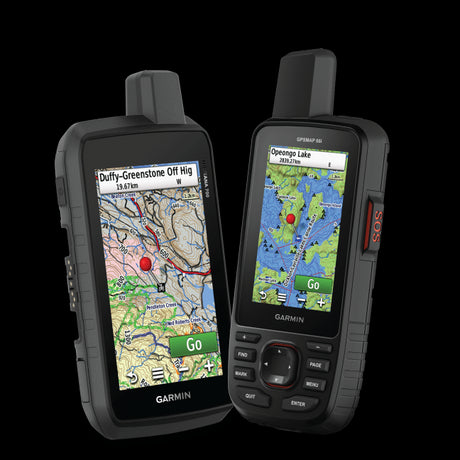
- A good offline map is the fastest way to find legal riding and stay on the right side of the line.
The three things you need almost anywhere
Before the provincial details, these basics apply across most of the country. In most provinces, you need registration, with a visible plate or decal on the machine, plus insurance to ride trails and Crown land. And you need a permit or permission, which means a club trail pass on maintained trails, the owner's okay on private land, and the local rules on Crown land (ATV rules in Western Canada; getting started ATVing in Ontario).
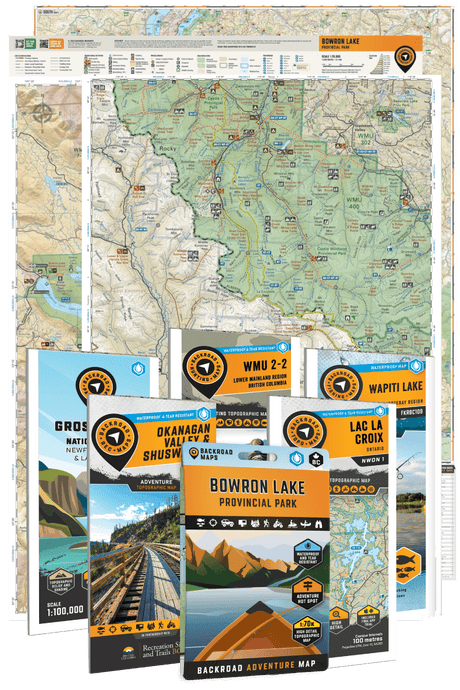
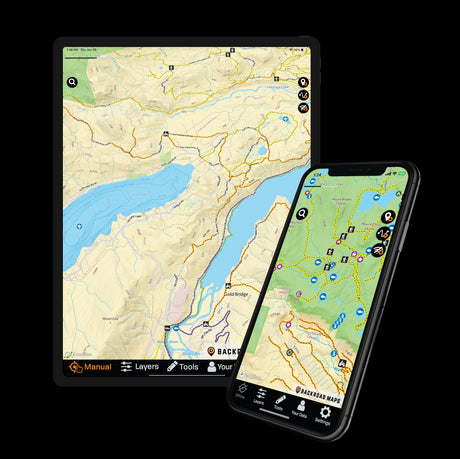
The quickest way to find legal riding is to start with your provincial ATV federation's trail map, then use an offline map to check Crown land access and the surrounding terrain. You can scout road access, trails, and public-land boundaries across the country on the BRMB Maps Explore Canada hub before you head out.

Province by province
British Columbia
B.C. runs its Off-Road Vehicle Management Framework for ORV use on Crown land and prescribed private land. Register your machine, then check Recreation Sites and Trails BC for where to ride and to plan your trip. An unregistered ORV can cost you a $230 fine (Province of B.C.). Scout terrain and access first on BRMB's British Columbia layers.
Alberta
Every off-road vehicle on public land in Alberta needs valid registration and insurance and a visible OHV licence. The payoff is enormous public-land riding, from the foothills to the boreal north. Plan routes and staging on BRMB's Alberta layers.
Saskatchewan
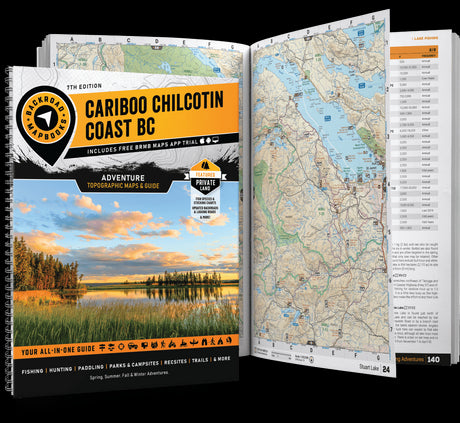
Saskatchewan is one of the most underrated places to ride in the country. The province is huge, the population is thin, and the amount of accessible public land in the north is staggering. Saskatchewan does not require ATVs to be registered, but you need third-party liability insurance to ride public land, plus a valid driver's licence or an approved safety course. Ride designated trails and Crown land where it is permitted, and confirm local rules first, because a protected zone can sit right next to open land. Map public-land boundaries on BRMB's Saskatchewan layers, and for a print backup the Saskatchewan Backroad Mapbook is the best resource for the province's road network.
Manitoba
Manitoba follows a similar model. Register and insure the machine, stick to designated trails and Crown land open to off-road vehicles, and get permission on private property. The transition between farmland, parks, and open Crown land can be hard to read on a standard map, so plan access on BRMB's Manitoba layers. The Manitoba Backroad Mapbook covers the backroad network into the remote north.
Ontario
Ontario has the biggest organized network in Canada. The Ontario Federation of ATV Clubs (OFATV) maintains around 10,000 km of trail through 24 member clubs, all open with the QuadON Trail Permit, which runs $195 a year, or $175 if you renew early or on time, following a price increase that took effect October 1, 2025. Up to 75% of your permit money goes to the local area you choose when you buy (OFATV). You can legally ride designated OFATV trails, Crown land with the proper permits, municipal roads where bylaws allow, and private property with permission (Ontario.ca). Plan your ride on BRMB's Ontario layers.

Quebec
In Quebec, the Fédération Québécoise des Clubs Quads (FQCQ) manages a large network of maintained trails through its member clubs, and you need an annual FQCQ trail permit to ride the federated network. Map your Quebec routes on BRMB's Quebec layers.
Atlantic Canada
Each Atlantic province runs its own ATV federation and trail-pass system, from Nova Scotia and New Brunswick to P.E.I. and Newfoundland. Register and ensure your machine in the province you are riding, buy that federation's trail pass for the maintained network, and confirm the local rules before you go. A pass from one province does not automatically cover another, so if you ride across provincial lines, check each province's requirements separately.
Riding Crown land the right way
Crown land is the backbone of off-road riding in Canada, but it does not automatically mean ride anywhere. Access changes by province and by specific parcel, and protected areas, wildlife zones, and seasonal closures are common. For the full picture on finding and legally using public land, read our guide to Crown land access in Canada. Always confirm boundaries on a current map, because a lot of "I did not know" tickets come from one wrong turn onto private or restricted land.
What to carry and how to ride
Wear a DOT-approved helmet. Pack water, a first-aid kit, and basic recovery gear. Tell someone your route and your expected return time, since most trail areas have no cell service. And stay on designated trails, because cutting new lines is the fastest way to get an area closed to everyone.
Common mistakes to avoid
Assuming Crown land is open everywhere. Leased, licensed, and unreserved Crown land can look identical on a satellite image and follow very different rules. Check the actual status before you ride.
Skipping registration or insurance. In most provinces, both are mandatory on trails and Crown land, and the fines are real.
Relying on a phone with no signal. Download your maps before you leave town so you can still see trails and boundaries off-grid.
Crossing private land to reach public land. A fence is a fence. Find a route through a public road allowance or a confirmed access route.
FAQ
How do I find ATV trails near me in Canada? Start with your provincial federation's trail map, such as OFATV in Ontario or FQCQ in Quebec, then check Crown land access for your area. An offline map shows trails, road access, and public-land boundaries even with no signal.
Do I need a permit to ride trails in Canada? On club-maintained trails, yes. You need that federation's trail pass, and Ontario's QuadON permit is $195 a year, or $175 if you renew early. Crown land and private land have their own rules around registration, insurance, and permission.
Can I ride an ATV on Crown land? Often, but not everywhere. Many provinces allow ORV use on Crown land if your machine is registered and insured, but protected zones and seasonal closures apply. Confirm the specific parcel first.
Do I need insurance and registration? In most provinces, yes. An off-road vehicle on trails or Crown land must be registered and insured, and B.C. fines unregistered ORVs $230.
Can one permit work across provinces? Usually not. Each province has its own ATV federation and trail-pass system, so a pass bought in one province generally will not cover another. If you plan to ride across provincial lines, check and buy the local pass for each.
Wrap up
The freedom to ride is real in Canada, you just have to know the rules where you are and stay oriented once you are out there. Get the registration and insurance sorted, buy the trail pass for the network you are riding on, and carry a map that does not require a signal.
Scout trails, road access, and public-land boundaries on BRMB Maps before you go, then download the maps for offline use (a PRO feature) so you always know which side of the line you are on. Start planning on the BRMB Maps Explore Canada hub.