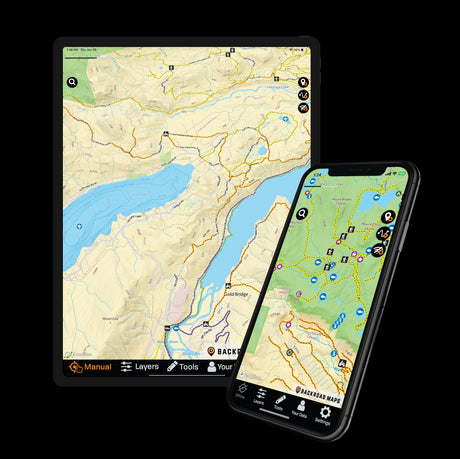
Moose are one of Algonquin Park's most iconic animals, and seeing one in the wild is a highlight for many visitors. In fact, "Where can I see a moose?" is the most common question park staff receive each year. While wildlife sightings can never be guaranteed, knowing where to look, when to go and which roads, trails and wetlands to explore can dramatically improve your chances. This guide covers the best places to see moose in Algonquin Park, along with seasonal viewing tips and how the Backroad Maps Algonquin Park app and map can help you find wildlife hotspots.

Best Time of the Year
While many Algonquin visitors explore the park in summer or fall, spring is one of the best times to spot moose along the Highway 60 corridor. Through the winter, snowplows spread salt on the highway, and moose are drawn to this mineral-rich runoff as the snow begins to melt. From late April through May, watch the roadside ditches and wet areas along Highway 60. With a little patience, you may be rewarded with a view of one of these impressive animals.
Best Time of the Day
Much of Algonquin’s wildlife is most active during the quieter hours of the day. Moose often feed early in the morning or in the evening, making the two or three hours after sunrise and the hour or two before sunset some of the best times to look.
Highway 60 is once again a good option, with the Two Rivers area worth checking carefully. Moose often move between the river, nearby ponds and the highway corridor, making this a productive zone for slow roadside scanning.
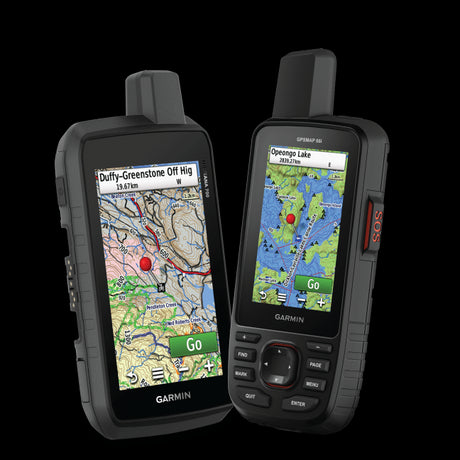
Another great option is to explore some of the gravel roads branching off Highway 60. While Arowhon Road and Opeongo Road are great places to start, the Backroad Maps Algonquin Park App and the Algonquin Park Map allow visitors to locate even smaller and quieter side roads, increasing the chances of spotting moose. Drive slowly, scan the shoulders and pay extra attention where these roads pass low, wet ground.
Best Hiking Trails for Moose Viewing
Have you heard the term “game trails”? These are routes that wildlife uses to travel between feeding areas, bedding areas and water. In some cases, park hiking trails provide the same kind of easy passage, with open, clear routes through the forest. You may even be able to tell which animals have used a trail before you by the scat or tracks they leave behind.
Because moose favour marshy, swampy areas, trails such as Beaver Pond Trail and Spruce Bog Boardwalk can be good places to look. Once again, the Backroad Maps Algonquin Park app excels here with full details including trailhead access for every trail in the park, helping visitors find wildlife-viewing routes, wetlands and more to make the most of their viewing opportunities. As always, your best chances are early in the morning or later in the evening, when wildlife is more active and the trails are quieter.
More Moose Viewing Locations in Algonquin Park
Highway 60 is the most reliable place to see moose in Algonquin Park because it passes through wetlands, ponds and mineral-rich roadside ditches that attract wildlife throughout spring and summer.
If you are up early, try travelling the Highway 60 corridor, turning up Arowhon Road and parking near the upper end of the Mizzy Lake Trail. From here, follow the old railbed east toward Wolf Howl Pond. This marshy, quieter area is well off the beaten path and can be a good place to watch for moose and other wildlife. If you are camping at Achray, consider driving Lake Travers Road at dawn or dusk. This remote corridor is another great location to spot wildlife.
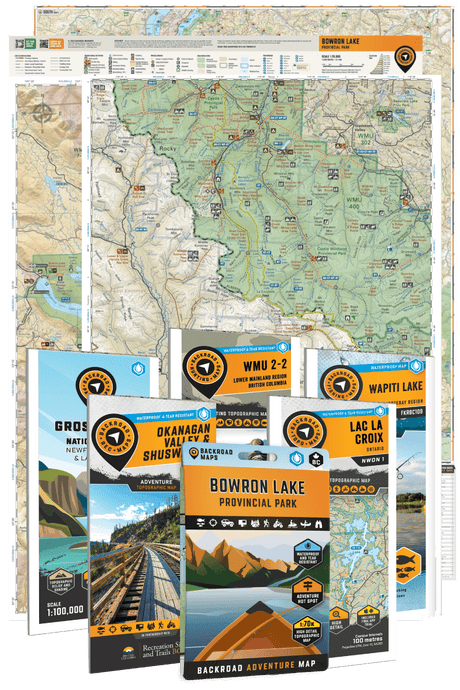
The Backroad Maps Algonquin Park Map not only covers the main Highway 60 corridor but the entire park. If you are exploring or camping outside the “corridor” or are up to a longer road trip, the map will help you find many smaller logging roads where the traffic is much lighter. These roads offer more solitude than Highway 60, increasing visitors' wildlife viewing chances.
Wildlife Viewing Etiquette
No matter how calm or approachable an animal may appear, it is still wild. Visitors need to consider both the stress they can place on wildlife and the danger they may put themselves in by getting too close. Stay at least 20 metres back and use binoculars or a zoom lens for a closer look.
If you do spot wildlife while driving Highway 60, signal and pull well off the road onto the shoulder where it is safe to do so. Never block live lanes and never stop suddenly on Highway 60.
Never approach a moose for a photograph. Moose can be unpredictable, particularly cows with calves or bulls during the fall rut. If an animal changes its behaviour because of your presence, you are too close.
Whether you're driving Highway 60 at sunrise, hiking through a quiet bog or exploring lesser-known backroads, patience is the key to successful moose viewing in Algonquin Park. Every outing is different, but with good timing and the right route, you'll greatly improve your chances of spotting one of Canada's most iconic animals.
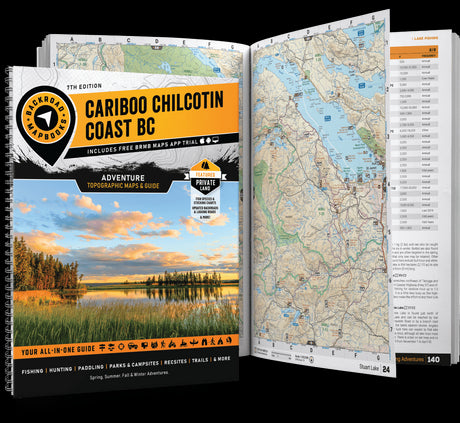
To help plan your adventure, the Backroad Maps Algonquin Park app and Algonquin Park Map include detailed backroads, hiking trails, wetlands, campgrounds and recreation information throughout the park. For exploring beyond the park boundaries, the Cottage Country Backroad Mapbook is an excellent companion for road trips, camping, paddling and wildlife watching across the region.
If you capture a memorable wildlife sighting, tag Backroad Maps on Facebook or Instagram. We love seeing where your adventures take you.